
Company Proposal Example: A Step-by-Step Guide
March 25, 2026
By
Evie Secilmis
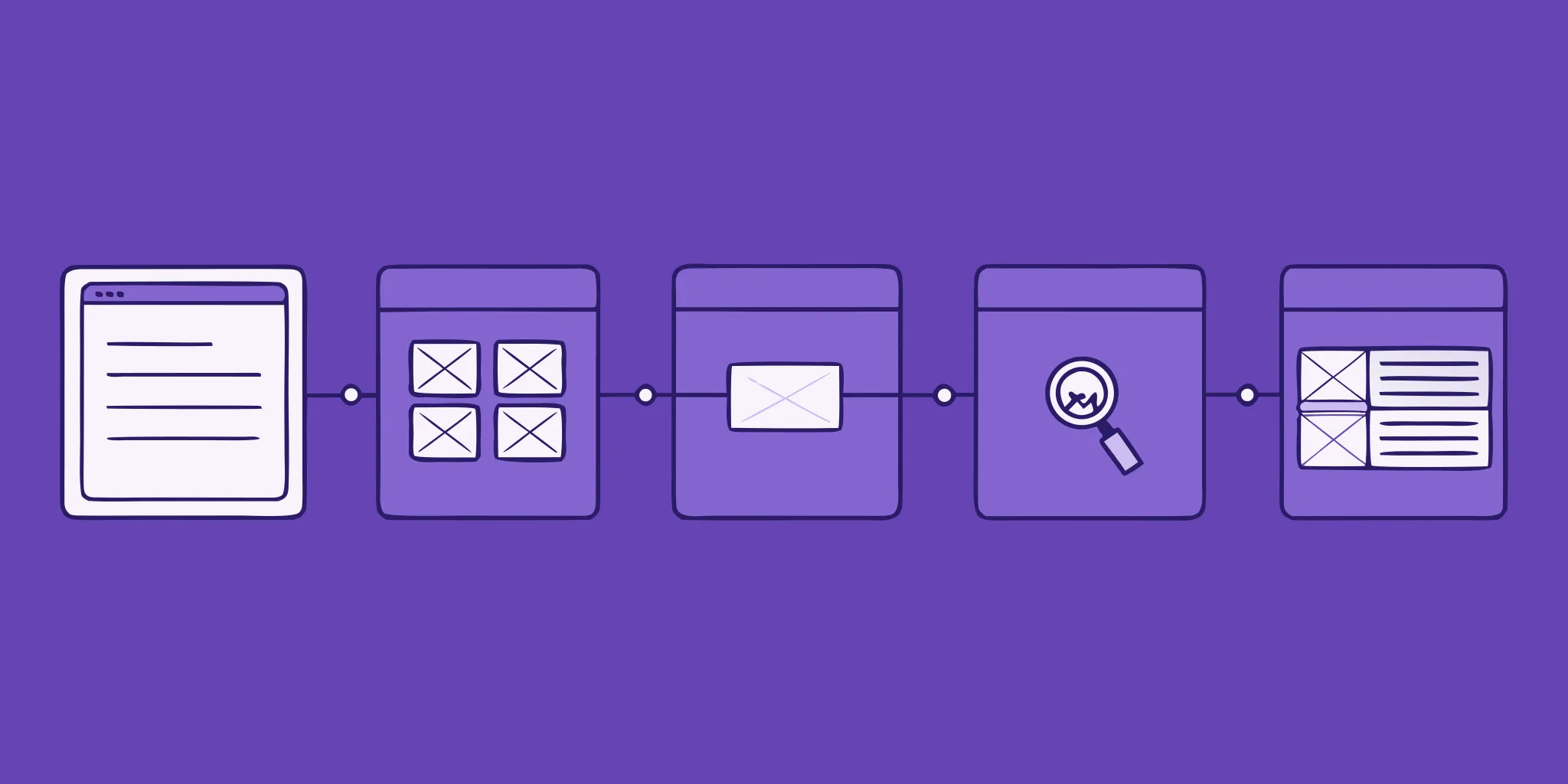

Your proposal should tell a story that guides a potential client from their current problem to their ideal solution, with your company as the hero. A generic, one-size-fits-all document fails to create this connection, leaving your prospect feeling misunderstood. To stand out, you need to craft a compelling narrative that speaks directly to their unique challenges and goals. This guide will show you how to structure that story, from the opening handshake of a professional cover page to the final, confident call to action. We'll use a complete company proposal example to illustrate how each section builds on the last, creating a persuasive case for your partnership.
Key Takeaways
- Build proposals around your client's needs: A winning proposal is a tailored conversation, not a generic sales pitch. Structure your document to directly address the client's specific challenges and goals, proving you've listened and have a clear plan for their success.
- Streamline your process with smart systems: Develop a reusable content library and standardized templates to create proposals faster and more consistently. This frees up your team to focus on high-value customization instead of starting from scratch every time.
- Follow up strategically to guide the decision: Your work isn't finished when you send the proposal. A thoughtful follow-up strategy is essential for answering questions, handling objections, and making it easy for the client to say yes and sign the contract.
What is a Company Proposal (and Why Should You Care)?
A company proposal is a formal document sent from a business to a potential client. Think of it as your best sales pitch, captured in writing. Its core purpose is to persuade the client to purchase your products or services by presenting a clear, compelling solution to their problem. While some proposals are solicited, meaning the client asked for one (like in an RFP), others are unsolicited, sent as a way to introduce your business. In either case, how well you write it can directly determine whether you win or lose the client's business.
This document is a cornerstone of your sales and growth strategy. It’s where you translate all your discovery calls and meetings into a concrete plan of action. A strong proposal doesn't just list features; it tells a story about how you'll solve the client's specific challenges. It builds trust and sets the stage for a successful partnership. Understanding how to craft a compelling proposal is a critical skill for any team looking to consistently improve win rates and build a predictable revenue stream.
How proposals fuel business growth
Proposals are much more than sales documents; they are strategic tools for growth. The process of writing one forces you to think critically about your business. You have to define your scope, plan your resources, and calculate your pricing with precision. This exercise helps you create a realistic plan for growth and identify your company's strengths and weaknesses. Each proposal you send is an opportunity to refine your offerings and your messaging. They are also essential for securing new business, which is the most direct way they contribute to your bottom line. A well-structured proposal can even help you attract investors by clearly articulating your market position and operational plans.
The way proposals shape your sales cycle
A great proposal is a powerful tool that reflects your company’s competence and deep understanding of a client’s needs. It’s often the most tangible thing a prospect has to evaluate you against competitors. This document can either accelerate your sales cycle or bring it to a grinding halt. A clear, compelling proposal that directly addresses the client's problem moves the conversation forward. It answers questions before they're asked and builds confidence. A vague or generic one, on the other hand, creates confusion and doubt. Ultimately, a winning proposal is written for the client, providing a clear, valuable solution that makes it easy for them to say "yes" and streamline the deal.
The Anatomy of a Winning Company Proposal
Think of your proposal as a story that guides your potential client from their current problem to their ideal solution, with your company as the hero. A clear, logical structure is your best friend here. It makes your document easy to follow and shows the client you’ve thought through every detail. Each section builds on the last, creating a compelling case for why you’re the perfect fit for the job. Let’s walk through the essential parts that every winning proposal needs to include.
Cover page & executive summary
First impressions matter, and your cover page is the handshake that starts the conversation. Keep it clean and professional with your company name, the client's name, the proposal title, and the date. Right after that comes the executive summary, which is your elevator pitch on paper. In just a few powerful sentences, you need to summarize the client's core problem, briefly introduce your solution, and touch on why your company is uniquely qualified to deliver it. This isn't the place for jargon or fluff; it's a concise overview designed to hook your reader and make them eager to learn more.
Company overview & qualifications
This is your chance to build trust and show the client who you are. Go beyond just stating facts and figures. Share a bit about your company’s mission and what drives you. Introduce the key team members who will be working on the project, highlighting their expertise and experience. This section helps the client connect with you on a human level. You’re not just a faceless vendor; you’re a team of passionate experts ready to help them succeed. Think of it as your "About Us" page, tailored specifically to show why you're the right partner for this particular project.
Your proposed solution & approach
Here’s where you get into the heart of the matter. This section needs to clearly and thoroughly describe how your product or service will solve the client's problem. Don’t just list features; explain the benefits and the value they will receive. A great way to structure this is with a step-by-step plan that outlines your methodology. Detailing your project approach shows that you have a clear roadmap for success. Be specific about your process, from kickoff to completion, so the client feels confident that you have a handle on every stage of the project.
Deliverables & timeline
To avoid any confusion down the road, it’s crucial to be crystal clear about what you will provide. Your deliverables are the tangible outcomes of the project, so list them out specifically. Alongside deliverables, map out a timeline with key milestones. Milestones are major checkpoints that mark significant progress, helping both you and the client track the project's momentum. A well-defined timeline manages expectations and demonstrates that you respect the client's schedule. It shows you’ve thought through the logistics and are committed to delivering on time and on budget.
Pricing & terms
Let's talk money. This section should be transparent and easy to understand. Provide a detailed breakdown of all costs so the client knows exactly what they are paying for. If it makes sense for your business, consider offering a few different pricing options or packages. This gives the client a sense of control and allows them to choose the option that best fits their budget and needs. Finally, clearly outline your terms and conditions, including payment schedules, scope of work, and any other important details. Being upfront here prevents misunderstandings and builds a foundation of trust for your partnership.
Company Proposal Examples in Action
Seeing how proposals work in different industries can help you visualize what to include in your own. While the core components we discussed earlier remain the same, the focus and details will shift based on what you’re selling. A proposal for a creative marketing campaign will look very different from one for a complex IT infrastructure overhaul. The key is always to tailor your content to the specific client and their unique challenges. This is where you move from a generic template to a compelling, persuasive document that speaks directly to the reader's needs.
Let’s look at a few common examples. Think about how you can apply these principles to your own proposals to make them more effective and client-focused. By understanding these nuances, you can create a document that not only outlines your services but also tells a compelling story about how you can solve your prospect’s problem. It’s about showing you’ve listened and have a concrete plan to deliver the results they’re looking for. This approach builds confidence and sets the stage for a successful partnership, no matter what industry you're in.
Marketing services proposal
A marketing services proposal is your chance to show a potential client you understand their brand and have a clear plan to help them grow. This document outlines your proposed marketing strategy, objectives, and the specific tactics you’ll use to achieve them. Instead of just listing services, you need to connect your plan directly to the client’s needs. Explain how your approach to SEO, content marketing, or social media campaigns will drive the results they care about, whether that’s more leads, higher brand awareness, or increased sales. The best marketing proposals are highly customized, proving you’ve done your homework and are ready to be a true partner.
Professional services proposal
When you’re selling expertise, like consulting or financial advice, your proposal needs to build trust and demonstrate value. A professional services proposal is less about a tangible product and more about a solution to a complex problem. Your goal is to write for the client, showing a deep understanding of their situation and offering a clear, valuable path forward. An effective proposal is well-organized and tailored to the decision-makers you’re trying to reach. It should clearly articulate the problem, your unique approach to solving it, and the specific outcomes the client can expect. This is where you prove you’re not just a vendor but an essential advisor.
IT services proposal
An IT services proposal often needs to bridge the gap between technical details and business impact. Whether you’re responding to a formal RFP or pitching a new service, your document must be audience-centric. This means translating complex technical specifications into tangible benefits that resonate with leadership, like improved efficiency, enhanced security, or lower operational costs. A successful proposal is always tailored to the client’s specific infrastructure and business goals. It clearly outlines the scope of work, the technology involved, and how your solution will support their long-term objectives, making it easy for them to say yes.
How to Make Your Company Proposal Stand Out
In a competitive market, your proposal is more than just a document; it’s your chance to make a memorable first impression. A winning proposal doesn't just outline services and pricing. It tells a story, demonstrates a deep understanding of the client's challenges, and builds a strong case for why your company is the perfect partner to solve them. Simply sending a generic document is a missed opportunity. To truly stand out, you need to go beyond the basics and create a compelling, client-focused narrative that resonates with the decision-makers.
Think of your proposal as a conversation. It should be clear, persuasive, and tailored specifically to the person reading it. This means investing time in research, focusing on professional presentation, and backing up your claims with solid proof. A proposal that is cluttered, poorly designed, or fails to connect with the client’s specific needs can make them question your ability to deliver. By focusing on a few key areas, you can transform your proposals from simple sales documents into powerful tools that not only win deals but also lay the foundation for strong, long-term client relationships. The following strategies will help you craft proposals that capture attention and get results.
Clearly state your value
Your value proposition is the heart of your proposal. It’s a clear, concise statement that explains the tangible benefits a client will get from working with you. Don't make them dig for it. This should be front and center, ideally within your executive summary. Instead of just listing your services, explain how those services solve their specific problem or help them achieve a key goal. A weak or missing value proposition is a common pitfall that can cause a client to lose interest before they even get to the pricing page. Frame your solution in terms of their success, and you’ll immediately set yourself apart from competitors who only talk about themselves.
Focus on professional design
How your proposal looks is just as important as what it says. A clean, professional, and well-organized design makes your content easier to digest and reflects the quality of your work. You don’t need to be a graphic designer, but paying attention to the details matters. Use your company’s branding consistently, incorporate plenty of white space to avoid a cluttered look, and use clear headings and bullet points to break up text. Visual elements like charts or graphs can also help illustrate key points more effectively. An effective proposal is always well-organized and client-focused, and a thoughtful proposal design ensures your message is received loud and clear.
Tailor the message to your audience
A one-size-fits-all approach to proposals rarely works. The most effective proposals are highly customized to the client’s specific situation. This shows you’ve done your homework and are genuinely invested in their success. Before you write a single word, research their company, industry, and unique challenges. Use their language and terminology throughout the document to build rapport and demonstrate your understanding. When you personalize your message, you make it clear how your strategy will directly address their needs and drive the results they’re looking for, turning your proposal into a solution they can’t ignore.
Use testimonials and case studies
Making bold claims about your abilities is one thing, but proving them is another. This is where social proof comes in. Integrating testimonials, data, and case studies into your proposal provides third-party validation and builds trust with your potential client. Instead of just saying you can deliver results, show them you already have for similar companies. You can sprinkle short, impactful client quotes throughout the document or include a brief case study that mirrors the prospect’s challenges. This helps the reader visualize their own success and gives them the confidence to choose you over the competition.
How to Customize Proposals for Every Client
Sending a generic proposal is a missed opportunity. The best proposals are tailored conversations that speak directly to a client's unique challenges and aspirations. Customization is more than swapping out a name; it’s about proving you’ve listened and have a specific plan to help them succeed. This approach transforms your proposal from a sales document into a powerful tool for building trust and closing deals.
Research your prospect's needs
Before you write a single word, you need to do your homework. A winning proposal is built on a deep understanding of your client’s business. Go beyond their initial request and explore their website, read their latest press releases, and see what they’re talking about on social media. What are their biggest pain points? What are their long-term goals? A proposal that reflects your understanding of the client’s needs shows you’re not just a vendor, but a potential partner who is genuinely invested in their success.
Adapt your language and tone
Does your prospect use formal, corporate language, or are they more casual and conversational? Pay close attention to the words they use in their RFP and on their website, and mirror that tone in your proposal. This subtle adjustment makes your document feel familiar and shows that you’re a good cultural fit. Your proposal should read like it was written just for them, using industry-specific terminology they recognize. This isn't about changing who you are; it's about speaking your client's language to ensure your message resonates clearly and effectively.
Highlight relevant experience
Your prospect doesn't need to see every project you've ever completed. They need to see that you've solved similar problems for companies like theirs. Instead of providing an exhaustive list of your qualifications, curate your most relevant case studies and testimonials. This targeted approach builds confidence and minimizes their perceived risk. By showcasing specific examples where you've successfully handled similar challenges, you make it easy for them to visualize you delivering the same great results for their business. It’s powerful proof that you’re the perfect fit for the job.
Address their specific goals
Every section of your proposal should tie back to the client's objectives. Don't just describe your services; explain how those services will directly help them achieve their goals. Frame your solutions in terms of outcomes. For example, instead of saying, "We offer social media management," try, "To help you increase brand engagement by 25%, our social media strategy will focus on..." This approach demonstrates that you’ve listened and have a clear plan to deliver tangible results. A proposal that fails to address the client’s unique needs can make them question your ability to deliver.
Common Proposal Mistakes to Avoid
You’ve created a fantastic solution, but your proposal is the final hurdle. It’s easy to stumble here, and a few common missteps can send an otherwise perfect proposal to the "no" pile. Let's walk through the most frequent mistakes and how you can sidestep them. Paying attention to these details shows your prospect that you’re professional, thorough, and truly understand their needs.
Using generic, one-size-fits-all content
Sending a generic, copy-pasted document is one of the fastest ways to get ignored. It signals that you haven't taken the time to understand their unique challenges. A personalized proposal demonstrates your commitment and shows you’ve done your homework. Instead of listing all your services, focus on the ones that directly solve their problems. Use their language, reference previous conversations, and make it clear that this solution was built just for them. This tailored approach makes the client feel seen and understood, building a strong foundation for your partnership.
Having poor formatting or an unclear structure
Your proposal’s design is the first impression you make. A document that’s cluttered, hard to read, or full of typos can make a client question your attention to detail. A clean, professional layout with a clear structure is essential. Use headings, bullet points, and white space to guide the reader through the information easily. Your value proposition should be front and center, not buried in a wall of text. A well-organized proposal reflects a well-organized approach to business, which is exactly what clients want to see.
Being vague about pricing and deliverables
Ambiguity around money and outcomes is a major red flag. If your pricing is confusing or your deliverables are unclear, you create uncertainty and risk losing their trust. Be transparent and specific. Provide a detailed breakdown of costs so they know exactly what they’re paying for. You might even offer a few pricing options for flexibility. Clearly define the deliverables, outlining what you will provide and when. This clarity manages expectations and helps the client feel confident in their decision.
Forgetting a strong call to action
You’ve made your case and presented your solution. Now what? Don't leave your prospect hanging. A great proposal always ends with a clear and direct call to action. You need to tell them exactly what the next step is. Should they schedule a call? Click a link to sign the agreement? Make it simple and obvious. A strong call to action removes friction and makes it easy for them to move forward and say yes to your offer. Guide them to the finish line.
How to Streamline Your Proposal Process
Creating a winning proposal takes time, but it shouldn’t feel like you’re reinventing the wheel with every new opportunity. When your team is constantly scrambling to meet deadlines, mistakes happen and quality suffers. A streamlined proposal process helps you work more efficiently, maintain brand consistency, and free up your team to focus on what really matters: tailoring your solution to the client’s needs. By putting the right systems in place, you can respond to opportunities faster and with greater confidence.
Build a reusable content library
A content library is your single source of truth for all proposal-related information. It’s a centralized repository of pre-approved, up-to-date content that your team can pull from to build proposals quickly. This library should include everything from company boilerplate and team bios to detailed product descriptions, case studies, and security information. Top companies know that crafting winning content is a skill, which is why they often spend months training their writers. Having a well-stocked library gives your team a massive head start. This is where an AI deal desk solution becomes a game-changer, helping you manage and instantly find the most relevant information.
Create standardized templates
Templates aren't about sending generic, one-size-fits-all proposals. They’re about establishing a consistent structure and professional look for all your documents. A good template provides a solid foundation, with placeholders for key sections like the cover page, executive summary, and pricing. This ensures you never miss a critical component. The real work is in the customization. As one expert notes, using client specifications to prepare a proposal makes it easier for them to see how your solution solves their problem. Your template should be a flexible framework that allows you to easily tailor the message to each client’s unique goals and pain points.
Establish clear team workflows
Who is responsible for writing the technical section? Who needs to review the pricing? When is the final draft due? Without a clear workflow, these questions can lead to chaos, missed deadlines, and embarrassing errors. A proposal cluttered with mistakes or a weak value proposition can make clients question your ability to deliver. To avoid this, map out a clear process. Define roles and responsibilities, set up review cycles, and establish clear timelines for every stage of proposal development. Modern proposal management tools often include features to assign tasks and track progress, ensuring everyone is on the same page from start to finish.
Manage multiple proposals efficiently
When you’re juggling multiple proposals at once, it’s easy to feel overwhelmed. The key is to prioritize effectively. Not all opportunities are created equal, so it’s important to focus your team’s limited resources on the most promising ones. You can implement a prioritization strategy based on factors like potential impact, deal size, and your chances of winning. A central dashboard can help you track the status of every proposal in your pipeline, from drafting to submission and follow-up. This focus helps teams improve their deal volume and win rates by ensuring that the most valuable opportunities get the attention they deserve.
The Role of Technology in Proposal Management
If you’ve ever felt like you’re reinventing the wheel with every new proposal, you’re not alone. The traditional process of hunting down information, wrestling with formatting, and chasing approvals can be a major drain on your team’s time and energy. This is where technology steps in to completely change the game. Instead of treating proposal creation as a manual, administrative task, modern tools help you build a strategic, efficient system that scales with your business.
Proposal management software, especially platforms powered by AI, can transform your entire workflow. These tools act as a central hub for your content, team collaboration, and analytics, giving you a single source of truth for every bid. They help you respond to opportunities faster, maintain brand consistency across every document, and free up your team to focus on what really matters: building relationships and closing deals. An AI deal desk solution can manage everything from RFPs and RFIs to SOWs and security questionnaires, turning a complex process into a streamlined operation. By automating the repetitive parts of proposal writing, you give your team the power to produce higher-quality, more personalized proposals in a fraction of the time. This shift from reactive scrambling to proactive strategy is what separates good proposal processes from great ones.
Benefits of AI-powered proposal software
AI-powered proposal software is designed to streamline the entire creation process, helping your team generate high-quality proposals with greater speed and accuracy. Think of it as having an expert assistant who knows your company’s content inside and out. These tools can analyze past proposals and client communications to suggest the most effective language and strategies for a new bid. This data-driven approach means you’re not just guessing what works; you’re using proven content to build your case. Ultimately, this allows you to respond to more opportunities and significantly increases your chances of winning more bids.
Automated content suggestions and updates
One of the biggest challenges in proposal writing is finding the right information quickly and ensuring it’s up to date. With AI-driven tools, you can get automated content suggestions drawn from a central, pre-approved library. This ensures that the most relevant and impactful information is always at your fingertips, which saves an incredible amount of time. It also helps you maintain consistency and quality across every proposal your team sends. Even better, some platforms can proactively identify outdated information across your connected systems, flagging old stats or product descriptions before they make it into a client-facing document.
Collaboration tools for your team
Proposals are a team sport, but getting input from sales, legal, and subject matter experts can feel like herding cats. Modern proposal management software includes collaboration features that let everyone work together in real time. Team members can share feedback, track changes, and contribute to the document simultaneously without creating version control chaos. This clear communication ensures all stakeholders can add their expertise efficiently, leading to a more comprehensive and polished final proposal. It brings your entire team onto the same page, which is exactly what one of our clients, GovSpend, experienced when they streamlined their process.
How to Follow Up and Close the Deal
Sending your proposal isn’t the end of the process; it’s the beginning of the final act. A great proposal can fall flat without a thoughtful follow-up strategy. This is your chance to keep the conversation going, show your commitment, and guide your prospect toward a confident "yes." A timely, helpful, and clear follow-up process demonstrates your professionalism and can be the key to turning a promising lead into a new partner.
Time your follow-up communications
Timing is everything. Following up too soon can feel pushy, but waiting too long lets the momentum fade. A prompt follow-up shows you’re engaged and serious about working together. Start by sending a quick confirmation email right after you submit the proposal to make sure they received it. In that note, suggest a specific time for the next conversation. For example, you could say, “I’ll plan to call you on Thursday morning to walk through the details and answer any initial questions.” If you don’t hear back, a gentle nudge in three to five business days is a good rule of thumb. The goal is to stay top-of-mind without overwhelming their inbox. Using a consistent follow-up cadence keeps you organized and professional.
Address client questions and concerns
Your follow-up call or email is the perfect opportunity to prove you’ve been listening. Instead of just asking, “Did you get the proposal?” ask open-ended questions that invite a real conversation. Try something like, “What questions came up for your team as you reviewed the solution?” or “Was there any part of the timeline you wanted to discuss further?” This approach turns your follow-up into a valuable consultation. It allows you to address any uncertainties, handle objections, and reinforce the value you offer. This is also a great time to share relevant case studies or examples that show how you've helped similar clients solve the exact problems they're facing.
Turn proposals into signed contracts
The final step is to make signing the contract as simple as possible. Your proposal should already have a clear call to action, but your follow-up is where you guide them through it. Reiterate the next steps clearly. You could say, “If you’re ready to move forward, the next step is to sign the agreement on the final page. I can send it over via DocuSign to make it easy for your team.” By removing friction, you make it easier for them to say yes. Using an AI-powered proposal platform ensures your documents are polished and professional from start to finish, leading your client seamlessly from the proposal to the dotted line.
Related Articles
- How to Write a Company Proposal That Wins Deals | Iris AI
- How to Write a Proposal About Writing That Wins | Iris AI
- What is Proposal Writing? A Complete Guide | Iris AI
Frequently Asked Questions
How is a proposal different from a quote? Think of it this way: a quote is a price tag, while a proposal is a persuasive argument. A quote simply lists services and their costs. A proposal, on the other hand, tells a story. It starts by showing you understand the client's problem, then presents your tailored solution, and finally explains why your team is the perfect one to deliver the results. The pricing is included, but its main purpose is to sell the value behind that price.
How long should my company proposal be? There isn't a magic page count. The ideal length depends entirely on the complexity of the project and the client's needs. A straightforward marketing campaign might only require a few pages, while a detailed IT services plan could be much longer. Your focus should be on clarity and completeness, not length. Provide all the essential information the client needs to make a confident decision, but avoid adding fluff that could overwhelm them.
What if my company is new and I don't have testimonials or case studies? That's a perfectly normal place to be when you're starting out. Instead of relying on past client work, you can build trust in other ways. Highlight the specific expertise and relevant experience of your key team members. You can also provide a detailed, step-by-step outline of your unique process to show you have a clear plan for success. The goal is to demonstrate your credibility and reduce the client's risk in choosing a new partner.
Is it okay to send a proposal without being asked for one? This is called an unsolicited proposal, and it can be a powerful strategy when done correctly. The key is to have a very clear and well-researched reason for sending it. You must demonstrate a deep understanding of the potential client's business and a specific challenge you believe you can solve. A generic, unsolicited proposal will almost always be ignored, but a highly targeted one can make you look insightful and proactive.
How can I make my pricing section clear without just listing numbers? You want to frame your pricing as an investment, not just a cost. Before presenting the numbers, briefly connect them back to the value and the specific outcomes the client will receive. It can also be effective to offer a few different pricing packages or options. This gives the client a sense of control and helps them choose the solution that best fits their budget and goals. The idea is to make the price a logical conclusion to the value you've already demonstrated.
Share this post
Link copied!







_EasiestToDoBusinessWith_EaseOfDoingBusinessWith.svg)
_HighPerformer_HighPerformer.svg)



_BestSupport_QualityOfSupport.svg)


