5 Steps to a Winning Request for Proposal Cover Letter
December 5, 2025
By
Evie Secilmis

Let’s be honest: RFP documents can be dry and impersonal, filled with technical requirements and legal jargon. Your proposal needs to address all of that, but the request for proposal cover letter is your one chance to break through the formality and build a real connection. This is where you can inject your company’s personality, show your enthusiasm for the project, and speak directly to the people on the other side of the table. It transforms your submission from a stack of papers into a compelling message from a potential partner who understands their world and is excited to help them succeed.
Key Takeaways
- Prioritize Connection Over Content: Your cover letter’s primary job is to build rapport. Use this single page to demonstrate genuine understanding of the client's challenges and establish a collaborative tone before they dive into your proposal's technical details.
- Mirror the Client's World: The most effective letters prove you’ve done your homework. Use the client's specific terminology from the RFP, directly address their stated priorities, and highlight only your most relevant experience to show you're already aligned with their goals.
- Build a Process for Quality and Speed: Avoid starting from scratch every time by creating a smart template as your foundation. A repeatable workflow that includes team collaboration and a formal review cycle ensures every cover letter is polished, personalized, and error-free.
What is an RFP Cover Letter?
Think of an RFP cover letter as the firm handshake and warm introduction you make before diving into a big presentation. It’s a one-page document that goes with your full proposal, giving the client a quick, persuasive summary of who you are and why you’re the perfect fit for their project. This isn't just a formality; it's your first chance to connect with the reader on a human level. A great cover letter introduces your company, shows you’ve done your homework on their needs, and confidently states why your solution is the one they’ve been looking for.
Its Role in the Proposal Process
Your cover letter is your opening act—it sets the stage for everything that follows. This is where you make your first impression, and you want it to be a strong one. A well-crafted letter immediately shows the client that you see them as a unique partner, not just another name on a list. It proves you’ve taken the time to truly understand their challenges, rather than just copying and pasting generic text. Even if the RFP doesn't explicitly ask for one, including a cover letter is a smart move. It’s an extra opportunity to stand out and show you’re serious about winning their business.
Cover Letter vs. The Full Proposal
It’s easy to get the cover letter and the executive summary mixed up, but they have distinct jobs. The cover letter is your company’s introduction, while the executive summary is a high-level overview of your offer for this specific project. Your cover letter shouldn't just rehash what's in the main proposal. Instead, its goals are simple and direct: thank the company for the opportunity, give a brief snapshot of what your company does, and quickly explain why you’re the right team for the job. It’s the friendly "hello" that paves the way for the detailed "here's how we'll do it" in the full proposal.
Why Your RFP Cover Letter is a Game-Changer
It’s easy to dismiss the RFP cover letter as a mere formality—a box to check before you get to the “real” proposal. But treating it as an afterthought is a huge missed opportunity. Think of it as the opening act for your entire proposal. It’s the first thing your potential client reads, and it frames how they perceive everything that follows. A compelling cover letter does more than just introduce your document; it introduces your company, your understanding of the client’s needs, and your commitment to being the right partner.
This single page is your chance to move beyond the technical jargon and connect on a human level. It can be the critical factor that makes your proposal memorable in a sea of submissions. When an evaluator has a stack of proposals on their desk, a thoughtful, personalized cover letter can make them sit up and pay attention. It signals that you’re not just sending another boilerplate response, but that you’ve taken the time to understand their specific challenges and are genuinely invested in helping them succeed. It’s your first, and sometimes best, chance to prove you’re the partner they’ve been looking for.
Make a Strong First Impression
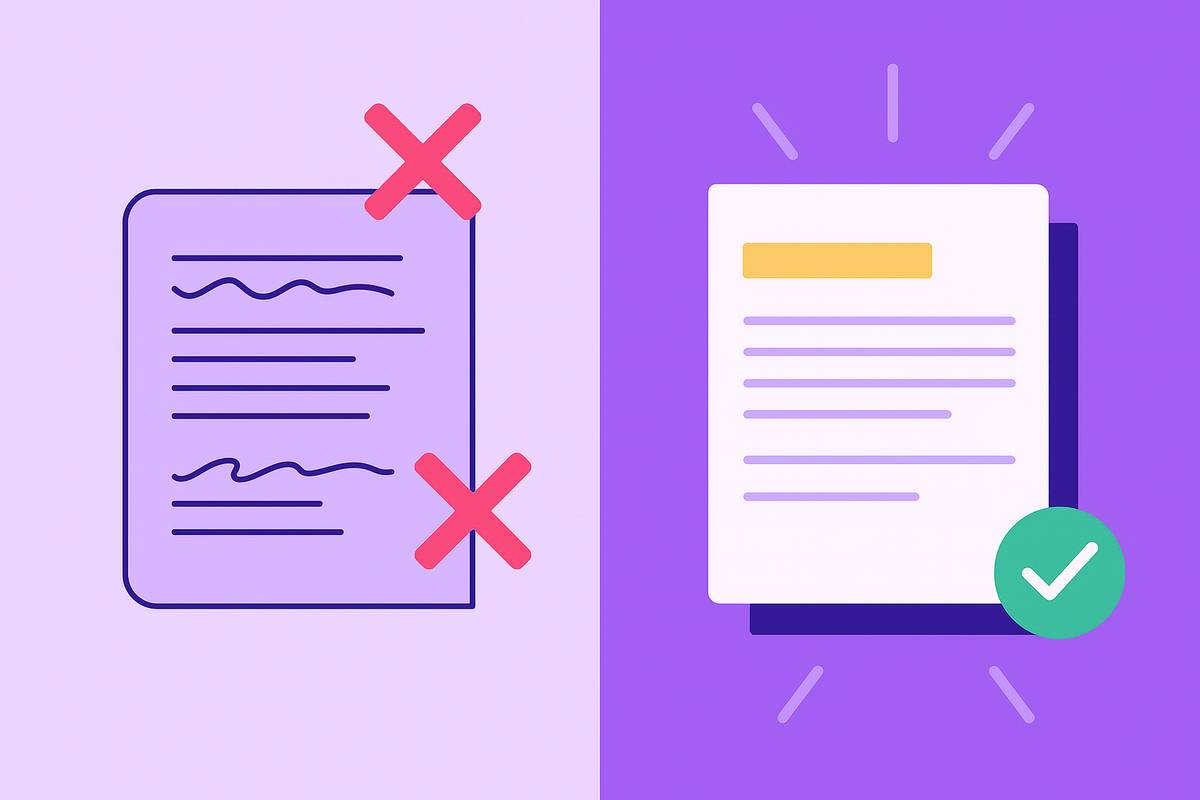
Your proposal cover letter is your first handshake with the client. It’s the very first piece of your response they’ll see, and it immediately shows whether you truly grasp their needs or just copied and pasted from a previous bid. This initial interaction sets the stage for your entire proposal. A generic, error-filled letter suggests a lack of attention to detail, which can make the evaluator question the quality of the solution you’re offering. On the other hand, a sharp, personalized, and well-written letter demonstrates professionalism and competence from the get-go. It builds immediate credibility and encourages the reader to view the rest of your proposal with a more favorable eye.
Set the Tone for Your Proposal
Beyond just facts and figures, your cover letter is where you can inject your company’s personality and show your enthusiasm for the project. It’s your opportunity to establish a professional yet engaging tone that reflects your brand. Are you a nimble innovator or a trusted, established leader? The language you use can convey this before the client even gets to page one of the technical response. By making it personal and engaging, you become more memorable. This is your chance to show you’re not just a vendor trying to make a sale, but a potential partner who is genuinely committed to the client’s success and excited to work with them.
Stand Out from the Competition
Let’s be honest: the client is reviewing multiple proposals, and many of them will look similar on paper. A well-crafted cover letter is one of the simplest and most effective ways to differentiate your bid. While your competitors might submit a dry, templated introduction, you can use this space to build a real connection. It shows you’ve done your homework and are serious about winning their business. This personal touch can be the deciding factor between two otherwise comparable proposals. Using an AI-powered platform to handle the repetitive parts of the RFP gives your team more time to focus on crafting a compelling narrative that truly resonates with the client’s unique needs.
The Anatomy of a Winning RFP Cover Letter
Think of your RFP cover letter as the blueprint for your entire proposal. It’s not just a formality; it’s a strategic document that guides the reader’s perception and sets the stage for the detailed solution you’re about to present. A winning cover letter has a clear, logical structure that makes it easy for the procurement manager to see why you’re the right choice. By breaking it down into five essential parts, you can ensure you hit all the right notes and make a compelling case from the very first page. Each component builds on the last, creating a narrative that moves from a professional introduction to a clear call to action, leaving no doubt about your capabilities and understanding of the client’s needs.
Start with a Professional Header and Greeting
First impressions are everything, and the look of your cover letter matters. Your header should be clean and professional, including your company’s name, logo, address, and the date. Address the letter to a specific person whenever possible—a quick search on LinkedIn can often help you find the right contact. When it comes to formatting, consistency is key. Your cover letter should look like it belongs with the rest of your proposal. Use the same branding and font. If the RFP specifies a font, use it. If not, stick with something clean and professional like Arial or Roboto. This attention to detail shows you’re serious and respectful of the issuer’s guidelines from the get-go.
Introduce Your Company and Credentials
This is your chance to make a concise, powerful introduction. Think of this section as the “bow” on your proposal package. Briefly state who you are and why you’re submitting a proposal. You don’t need to tell your company’s entire life story here. Instead, focus on your core identity and expertise as it relates to this specific project. Mention one or two key credentials or achievements that establish your authority in the field. The goal is to quickly build credibility and give the reader confidence that they’re dealing with a capable and experienced partner. This initial positioning helps frame the rest of your proposal in a positive light.
Show You Understand Their Needs
This is where you shift the focus from you to them. A truly effective cover letter demonstrates genuine empathy and a deep understanding of the client's challenges. Start by explicitly stating that you have thoroughly reviewed the RFP and are confident you can meet their requirements. This simple acknowledgment can be very powerful. Go a step further by referencing a specific goal or pain point mentioned in their document. This shows you’ve done more than just skim the surface; you’ve engaged with their needs on a meaningful level. You’re not just selling a product or service; you’re presenting a solution to their specific problem.
Summarize Your Value Proposition
Now that you’ve shown you understand their needs, it’s time to connect those needs to your unique solution. This is your highlight reel. Instead of listing every feature, summarize the top three to five reasons why your company is the absolute best fit for the job. What makes you uniquely qualified to solve their problem? Focus on the outcomes and benefits you deliver. Will you save them time, reduce costs, or improve their efficiency? Use strong, confident language to explain the value you bring to the table. This section should be a compelling preview of the detailed solutions found within your full proposal, making them eager to read on.
Close with Clear Next Steps
End your cover letter with a clear, professional, and courteous closing. Thank the reader for their time and consideration, and reiterate your enthusiasm for the opportunity to partner with them. Most importantly, make it easy for them to take the next step. Don’t leave them guessing what to do next. Include a simple and direct call to action. You could suggest a follow-up meeting to discuss the proposal in more detail or simply state that you are available to answer any questions they may have. Provide your direct contact information, including your name, title, email, and phone number, so they know exactly who to reach out to.
How to Research Your Client's Needs
A winning cover letter does more than introduce your company; it proves you’ve done your homework. Before you write a single word, you need a clear picture of who the client is, what they’re struggling with, and what they hope to achieve. This research is what transforms a generic template into a compelling pitch that makes the evaluation committee take notice. It’s how you show you’re not just another vendor, but a potential partner who genuinely understands their world. Taking the time to dig in here helps you craft a message that truly resonates.
Dig Deep into the RFP Document
Your first stop is the RFP itself. It sounds obvious, but many people just skim. Read the entire document, paying close attention to the language they use, the project goals, and any mentioned challenges. Look beyond the list of requirements to understand the why behind the project. What problem are they trying to solve? As the team at Loopio suggests, you need to understand the client's project, funding, problems, and what they really want. This document is your primary source for understanding their immediate needs, so treat it like a roadmap to crafting a relevant and impactful response.
Research the Client's Company and Industry
The RFP tells you what the client wants, but not always who they are. To fill in the gaps, you need to do some external research. Visit their website, read recent press releases, and check their social media profiles. What are their core values? What’s their position in the market? Who are their main competitors? Learning how to research a company allows you to frame your solution in a way that aligns with their overall business strategy. It shows you see them as more than just a single project and have considered how your solution fits into their bigger picture.
Pinpoint Their Specific Pain Points
Your research should lead you here: identifying the client's core challenges. The RFP might ask for a "new software system," but the underlying pain point could be "wasted employee hours." Your job is to connect your solution directly to that pain. As one expert from The Bid Lab recommends, you should "quickly mention the client's problem or need that their RFP describes, and state that your business can solve it." If you can meet all their requirements, say so upfront. This direct approach shows you’ve listened carefully and have a clear, targeted solution ready to go.
How to Tailor Your Cover Letter
This is where you move beyond the basics and show the client you’re not just another vendor—you’re their ideal partner. A generic, one-size-fits-all cover letter signals that you haven't invested time in understanding their specific situation. It’s the fastest way to land your proposal in the "no" pile. Tailoring your letter, on the other hand, proves you’ve done your homework and are genuinely invested in solving their unique problems. It’s your first and best chance to connect with the reader on a personal level and demonstrate that you’re the right choice before they even get to page one of your proposal.
By customizing your message, you set a collaborative tone and show that you see them as more than just a number. Think of it this way: the full proposal is the detailed "how," but the cover letter is the compelling "why"—why you, why now, and why you're the perfect fit for them. This personalized approach is what separates winning proposals from the ones that get overlooked. It shows respect for the client's time and effort in creating the RFP and immediately starts building a foundation of trust. It’s not about reinventing the wheel every time, but about making strategic adjustments that reflect the client's world back to them. This is your opportunity to frame the entire conversation and guide the reader's perspective before they dive into the technical details.
Speak Their Language
Every organization has its own way of talking—its own jargon, acronyms, and tone. Your first step in tailoring your cover letter is to listen carefully and reflect that language back to them. Scour the RFP document for specific terms and phrases they use to describe their project, their goals, and their pain points. Using their exact terminology shows you’ve paid close attention and are already aligned with their world. It creates an instant sense of familiarity and proves you’re not just pasting in old text from a previous proposal. This simple act of mirroring their language makes your letter feel less like a sales pitch and more like the start of a real conversation with a partner who truly understands their needs.
Address Their Unique Priorities
A client issues an RFP because they have a specific list of needs they want met. Your cover letter must show, right from the start, that you’ve read and understood that list. Don’t just make a vague claim that you can handle the job. Instead, directly reference a few of their key requirements mentioned in the RFP. For example, you could write, "We understand that achieving X and integrating with Y are top priorities for this project, and our solution is designed to address both." This explicitly confirms that you’ve reviewed their document thoroughly and can meet their most critical requirements. It’s a powerful way to build confidence and show you’re already focused on what matters most to them.
Prove You Understand Their Challenges
Going a step further than just listing their priorities, the best cover letters show a deep understanding of the why behind the RFP. What is the core business challenge they are trying to solve? What pain point is driving this entire project? Your research should help you connect the dots. Frame your solution not just as a set of features, but as the answer to their underlying problem. You can do this by establishing a few win themes—strong, clear reasons why your company is the best choice to solve their specific challenge. This approach transforms you from a simple vendor into a strategic partner who is invested in their success.
Highlight Relevant Experience
Anyone can claim they have experience, but you need to prove it. Your cover letter is the perfect place to offer a quick, compelling snapshot of your relevant successes. Instead of a generic company overview, handpick one or two past projects or case studies that closely mirror the client's situation. Briefly explain how you helped a similar company overcome a similar challenge and achieve measurable results. This provides concrete, relatable proof that you have the expertise they need. By connecting your past wins directly to their current project, you make it easy for them to envision a successful partnership with your company.
Common Mistakes That Weaken Your Cover Letter
Crafting a compelling RFP cover letter is your first chance to connect with a potential client, but it's also where many proposals stumble. A few common missteps can quickly land your hard work in the "no" pile. By understanding these pitfalls, you can make sure your cover letter strengthens your proposal instead of undermining it. Let's walk through the most frequent mistakes and how you can steer clear of them.
Using Generic, One-Size-Fits-All Language
Nothing signals a lack of interest faster than a generic, copy-pasted cover letter. When an evaluator reads the same tired phrases they’ve seen a dozen times, they assume you haven't invested time in understanding their specific needs. A personalized approach is non-negotiable. Address the issuer by name, reference specific points from their RFP, and connect your solution directly to their stated goals. This shows you’re not just sending another proposal; you’re offering a thoughtful solution tailored just for them.
Writing Too Much (or Too Little)
Finding the right length is a balancing act. A cover letter that’s too short can seem dismissive, while one that’s too long will likely get skimmed or ignored. Your goal is to be concise yet compelling. Think of it as the trailer for your proposal, not the full movie. Stick to a single page. Provide enough detail to capture their interest and demonstrate your understanding, but save the exhaustive explanations for the proposal itself. A well-written cover letter respects the evaluator's time and makes them eager to read the full document.
Neglecting Formatting and Design
The visual presentation of your cover letter matters just as much as the words on the page. A sloppy or inconsistent design reflects poorly on your attention to detail. Your cover letter should be a seamless introduction to your proposal, matching its branding, fonts, and overall layout. If the RFP specifies a certain font or size, use it. This consistency creates a professional and cohesive experience for the reader. A clean, well-organized design makes your letter easier to read and shows that you value quality in every aspect of your work.
Failing to Show You've Done Your Homework
A strong cover letter proves you’ve done more than just read the RFP—it shows you understand the client’s world. This means researching their company, their industry, and their recent challenges or successes. Mentioning a recent company milestone or a specific industry trend they’re facing shows you’re engaged and thinking critically about their needs. This is your chance to demonstrate that you’re not just a vendor but a strategic partner who understands their context. This level of insight builds immediate credibility and sets your proposal apart from competitors who only offer surface-level responses.
Formatting and Structuring for Readability
You could write the most persuasive cover letter in the world, but if it’s a wall of dense text on a poorly designed page, it won’t get the attention it deserves. The way you present your information is just as important as the information itself. A clean, well-organized document shows the evaluation committee that you’re professional, detail-oriented, and respectful of their time. Think of your layout as the handshake before you even speak—it sets the stage for everything that follows. By focusing on a few key formatting principles, you can create a cover letter that’s not just informative but also inviting and easy to read, ensuring your key messages land with impact.
Create a Clean, Professional Layout
Your cover letter’s layout is the first thing the reader sees, and it instantly communicates your level of professionalism. Start by ensuring its design is consistent with the rest of your proposal. Use the same font and font size requested in the RFP. If no specifics are given, choose a clean, standard font like Arial, Roboto, or Calibri. This small detail shows you’ve paid attention. A polished layout isn’t about being flashy; it’s about clarity. Proper alignment, consistent spacing, and a logical flow guide the reader’s eye, making it easy for them to absorb your message without distraction. This thoughtful approach to document design reflects the quality and care you’ll bring to the project itself.
Keep it Concise and Well-Organized
Decision-makers are busy people. They don’t have time to sift through long, rambling letters to find the information they need. Your cover letter should be direct, impactful, and, most importantly, brief. As a rule of thumb, stick to a single page. This constraint forces you to be disciplined in your writing, focusing only on the most critical points. Organize your letter with a clear structure: a brief introduction, a body that connects their needs to your solution, and a concise conclusion with a call to action. This logical flow makes your letter easy to follow and demonstrates that you can communicate complex ideas with clarity and precision.
Use Bullet Points and White Space
A dense block of text can be intimidating and difficult to read. To make your cover letter more approachable and scannable, break up your content using formatting tools. Bullet points are perfect for highlighting your key strengths, relevant experience, or the specific outcomes you can deliver. They draw the reader’s eye to your most compelling points. Equally important is the use of white space. Ample margins and spacing between paragraphs give your content room to breathe, creating a clean, uncluttered look. This isn’t just about aesthetics; a well-spaced document is proven to improve reading comprehension and reduce reader fatigue, making your message more likely to stick.
Maintain Consistent Branding
Your cover letter is an official piece of company communication, and it should look the part. Always use your company’s official letterhead, which typically includes your logo, address, and contact information. This immediately establishes your brand identity and adds a layer of legitimacy to your proposal. Whenever possible, address the letter to a specific person named in the RFP. Finally, have a senior member of your team—like a director or VP—sign the letter. This signature conveys authority and shows that your company is fully invested in the proposal. Consistent branding reinforces your professionalism and presents a unified, trustworthy image to the client from the very first page.
How to Streamline Your Cover Letter Process
Writing a compelling, personalized cover letter for every single RFP can feel like a monumental task, especially when deadlines are tight. But you don’t have to start from scratch every time. Creating a repeatable, efficient process helps you maintain high quality and consistency without burning out your team. It’s about working smarter, not harder, so you can focus your energy on tailoring the message and proving you’re the best partner for the job.
A streamlined workflow ensures nothing falls through the cracks, from initial drafting to final review. By putting a system in place, you can respond to more RFPs with confidence, knowing that each cover letter makes a powerful first impression. It also frees up valuable time that your team can use to dig deeper into client research or refine the core proposal.
Build a Smart Template
A smart template is your best friend in the RFP process. This isn't a generic, one-size-fits-all document but a flexible foundation you can build upon. Start by creating a well-structured outline that includes your professional header, a strong opening, sections for your value proposition, and a clear call to action. Within this structure, include pre-written boilerplate for standard information like your company’s background and core credentials. The key is to also add clear placeholders and prompts for customization, reminding your team to insert the client’s name, address their specific pain points, and highlight the most relevant solutions. This approach ensures brand consistency while making it easy to personalize each letter for maximum impact.
Use Collaboration Tools for Teamwork
A great cover letter is rarely a solo effort. It often requires input from sales, subject matter experts, and leadership. To keep this process smooth, use collaboration tools to facilitate real-time communication and feedback. Create a dedicated channel in Slack or Microsoft Teams for each RFP response. This keeps all conversations, files, and feedback in one organized place, preventing important details from getting lost in email chains. Using a centralized deal desk solution takes this a step further, allowing team members to comment directly on the document, track changes, and ensure everyone is working from the most current version. This collaborative approach ensures every stakeholder is aligned on the messaging before the cover letter ever goes out the door.
Implement a Quality Review Process
Even the most carefully written draft can benefit from a fresh set of eyes. Establishing a formal quality review process is the final, crucial step to producing a polished and error-free cover letter. Document your review workflow and make it accessible to the entire team. A simple, effective process might involve a peer review for tone and clarity, followed by a final check from a manager or senior team member who can verify strategic alignment. This multi-step review helps catch everything from small typos to bigger messaging gaps. It ensures your cover letter is not only persuasive and professional but also perfectly tailored to the client’s needs, which can directly improve your win rates.
Related Articles
- Tailor Your RFP Cover Letter for Success
- Top Cover Letter RFP Mistakes & Tips
- RFP Cover Letter Template: The Ultimate Guide (+ Examples)
- Winning RFP Cover Letter Example (+ Free Template)
- RFP Cover Letter (Glossary)
Frequently Asked Questions
Is a cover letter really necessary if the RFP doesn't ask for one? Think of it this way: if you were at a networking event, you wouldn't just walk up to someone and start listing your qualifications. You'd introduce yourself first. A cover letter does the same for your proposal. Including one when it’s not required is a simple, powerful way to show you’re willing to go the extra mile. It’s an opportunity to make a personal connection and stand out from competitors who only did the bare minimum.
What's the real difference between a cover letter and an executive summary? They seem so similar. It's a common point of confusion, but they have very different jobs. The cover letter is your company's introduction; it's the friendly "hello" that establishes who you are and why you're excited about their project. The executive summary, on the other hand, is a high-level overview of your solution. It's the trailer for the movie, giving a sneak peek of the specific strategy and value you're proposing in the main document.
What if I can't find a specific person's name to address the letter to? While addressing a specific person is always the gold standard, sometimes it’s just not possible. In that case, avoid the cold and outdated "To Whom It May Concern." Instead, opt for something more specific and professional, like "Dear [Client Company Name] Selection Committee" or "To the [Project Name] Evaluation Team." This shows you've still made an effort to tailor the greeting to the situation.
How can I save time writing these without sounding like a robot? The key is to build a strong foundation, not to rely on generic copy-pasting. Create a "smart template" that includes your company's core information and a solid structure, but leave clear placeholders for personalization. This way, you're not starting from scratch every time. You can use the time you save to research the client and write a few powerful, customized sentences that show you truly understand their specific challenges.
My proposal is already long. How do I keep the cover letter from just adding more noise? A great cover letter cuts through the noise; it doesn't add to it. Its purpose is to be a concise, compelling preview that convinces the reader that the rest of your proposal is worth their time. Stick to a single page and focus on the three most important things: you understand their problem, you have a credible solution, and you are the right partner for the job. It’s the hook that makes them want to read the full story.
Share this post
Link copied!