
AI RFP Finder: A Guide to Winning More Bids
October 27, 2025
By
Evie Secilmis


If you've ever felt your heart sink after opening a 150-page RFP, you're not alone. Manually sifting through dense documents is a massive time drain, and a single missed keyword can mean automatic disqualification. This is precisely where an ai rfp finder changes everything. Think of it as more than just a search function; it's a powerful bid keyword software designed to transform an overwhelming document into a clear, actionable plan. This tool does the heavy lifting, so your team can stop shredding requirements and start building a winning strategy from day one.
Key Takeaways
- Automate Tedious Tasks to Focus on Strategy: The best RFP tools handle time-consuming work like building compliance matrices and finding content, so your team can dedicate its brainpower to crafting a winning narrative and making smart bid/no-bid decisions.
- Demand Features That Solve Real Problems: A great tool goes beyond simple analysis. Look for essential features like a centralized content library, seamless team collaboration, and robust security to create a truly efficient and secure proposal workflow.
- Leverage AI for Smarter, Faster Responses: AI is the core of a modern RFP tool, helping you generate accurate first drafts, suggesting the most relevant answers from past proposals, and providing the data needed to continuously improve your win rate.
What Exactly is an RFP Keyword Analysis Tool?
If you've ever felt buried under a mountain of RFP documents, you know how challenging it can be to find the key requirements and craft a winning response. An RFP keyword analysis tool is essentially your smart assistant for this process. It's a specialized software platform designed to help you make sense of complex proposal requests, ensuring you don't miss critical details and can respond more efficiently. Think of it as a high-tech highlighter that not only finds the important stuff but also helps you use it to your advantage.
What Do These Tools Actually Do?
At their core, these tools help you manage the request for proposal process from start to finish. Instead of manually sifting through hundreds of pages to identify keywords, requirements, and potential red flags, the software does the heavy lifting for you. It helps your team streamline everything from initial research and sourcing to the final selection of vendors. By organizing the chaos, these platforms allow you to issue proposals, manage submissions, and evaluate every response in a structured way. This means less time spent on administrative tasks and more time focused on creating a compelling bid.
How Do They Work?
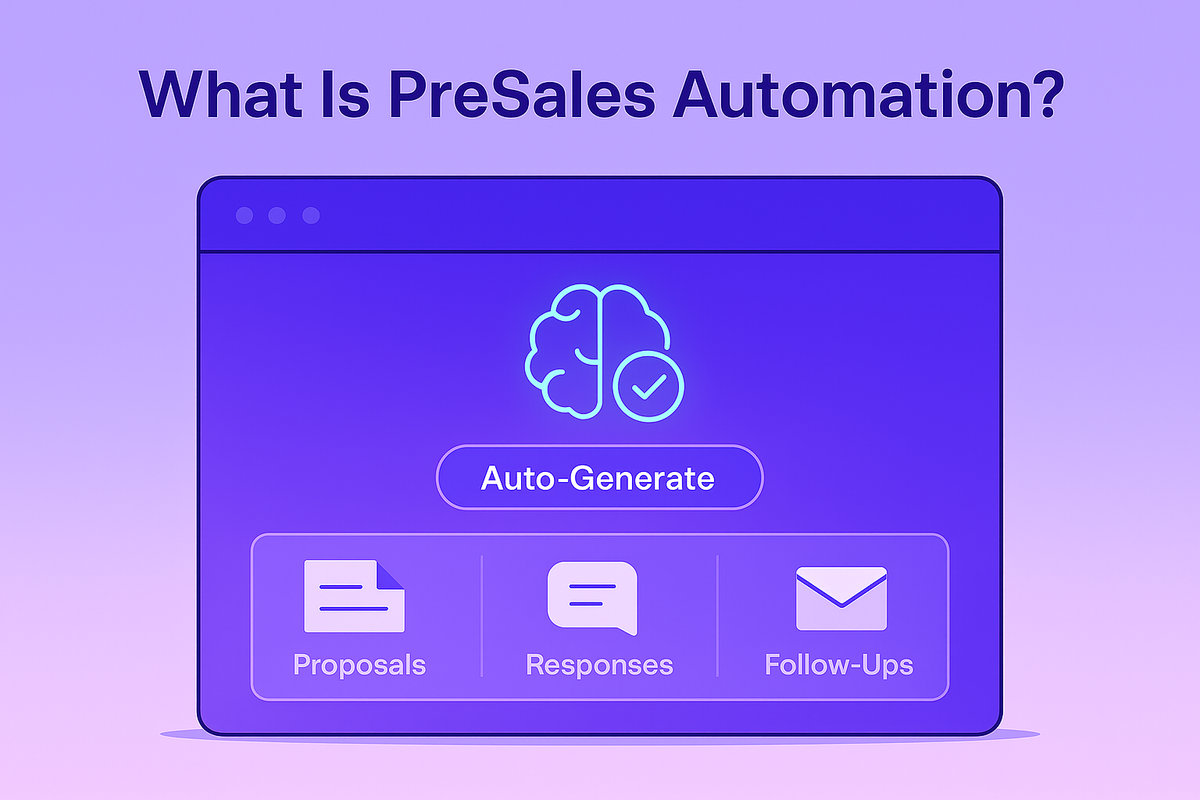
The magic behind these tools lies in automation and artificial intelligence. They automate manual steps like creating compliance matrices, comparing document versions, and flagging specific terms or requirements. This drastically cuts down on repetitive work and speeds up your proposal preparation time. Many modern platforms, like Iris, use generative AI and natural language processing to go even further. They can help generate first-draft content, detect underlying themes in the RFP, and analyze your response for clarity and compliance, ensuring your proposal is not just complete but also compelling.
1. Create a Central Content Library
Before you can automate anything, you need a single source of truth. Constantly hunting for the latest product specs or security information across shared drives and old emails is a recipe for errors and wasted time. A great RFP tool helps you build a centralized content library where all your best, most accurate, and approved answers live. This isn't just a folder for storage; it's an intelligent knowledge base. When your team needs to answer a question about data compliance or pull a specific case study, they can grab it from the library with confidence, knowing it's up-to-date. This step alone transforms your workflow from reactive and chaotic to proactive and organized.
2. Generate an AI-Powered First Draft
This is where the real acceleration happens. Once your content library is in place, the AI can get to work. Instead of starting with a blank document, modern RFP tools can analyze the questionnaire and instantly generate a complete first draft. The AI pulls the most relevant answers from your library and uses insights from past successful proposals to populate the document. As the core of any modern RFP tool, AI helps you generate accurate first drafts, suggesting the best content and giving you a massive head start. This frees your team from the tedious copy-and-paste work and allows them to jump straight into refining and strategizing.
3. Review, Edit, and Customize
An AI-generated draft is a powerful starting point, but it's not the finish line. The final, crucial step is the human touch. The time you save on manual tasks should be reinvested into tailoring the proposal to the specific client. This means reviewing every answer for tone, relevance, and accuracy, and customizing the language to speak directly to the prospect's pain points and goals. By automating the repetitive work, the tool gives your team the bandwidth to focus on what really matters: crafting a compelling narrative that stands out from the competition and demonstrates a deep understanding of the client's needs, which is key to improving your win rate.
How These Tools Help You Win More Bids
Simply put, these tools give your team its time back. By taking over the most tedious and time-consuming parts of the RFP process, they free your proposal team to focus more on the persuasive, strategic content that actually wins deals. Instead of getting bogged down in shredding requirements or checking for consistency, your experts can concentrate on tailoring your message, highlighting your strengths, and crafting a narrative that resonates with the client. This shift from manual labor to strategic thinking is what separates a good proposal from a winning one.
Save Significant Time and Resources
The most immediate and dramatic benefit of an RFP tool is the sheer amount of time you get back. Manually responding to a complex, 60-page government bid can easily consume over 20 hours of your team's time. With an AI-powered platform, that same first draft can be generated in as little as 15 minutes and finalized in just a couple of hours. Customers consistently report writing proposals up to 80% faster, saving anywhere from 50-80% of their time on each response. This isn't just a minor improvement; it's a fundamental change in your workflow. It means you can respond to more opportunities without needing to expand your team, directly impacting your pipeline and revenue potential.
Improve Focus and Efficiency
Saving time is one thing, but what your team does with that reclaimed time is where the real value emerges. By automating the most repetitive and mind-numbing parts of the process, these tools allow your team to shift their energy from administrative drudgery to high-impact strategic work. Instead of spending hours building compliance matrices, they can focus on crafting a compelling narrative that truly speaks to the client's needs. This not only leads to higher-quality proposals but also helps reduce burnout by making the work more engaging and rewarding. Your experts get to be experts, using their skills to persuade and strategize rather than just copy and paste.
Key Features Every Bid Keyword Software Needs
When you start looking at RFP analysis tools, you'll quickly realize they aren't all built the same. The right software can completely transform your proposal process, but the wrong one will just add another layer of complexity. To make sure you're choosing a tool that will actually help you win more bids, you need to know which features are non-negotiable. Think of these as the core components that separate a nice-to-have gadget from a true game-changer for your sales team.
From leveraging AI to ensuring your data is secure, these are the essential features that will give you the best return on your investment and set you up for long-term success. Let's break down what you should be looking for.
AI-Powered Keyword Analysis
The most powerful RFP tools use artificial intelligence to do the heavy lifting. Instead of just flagging keywords, they use natural language processing to understand context, detect themes, and analyze compliance requirements. This means the software can help you generate draft content that's not only compliant but also speaks directly to the client's needs. An AI-driven tool can spot subtle requirements you might miss, ensuring your proposal is perfectly aligned with the RFP. It's about working smarter, letting the technology handle the tedious analysis so your team can focus on strategy and crafting a winning narrative.
Keep Your Content and Templates Organized
How much time does your team waste searching for that perfect answer they wrote for a proposal six months ago? A great RFP tool solves this by acting as a centralized content library. It allows you to store, manage, and quickly access all your best-performing content and templates. When a new RFP comes in, you can instantly pull pre-approved, accurate answers for common questions, saving countless hours. This feature ensures consistency across all your proposals and allows you to manage customized requests while tracking everything in real time. It's the key to building high-quality proposals faster.
Advanced Content Management
A central library is a fantastic start, but its real power comes from intelligent management. Think about how quickly your company's information changes—new product features, updated case studies, revised security protocols. An advanced system doesn't just store your best answers; it actively helps you maintain them. It can flag content that hasn't been reviewed in a while or identify statistics that might be out of date. This proactive approach is crucial for maintaining accuracy and consistency across every proposal you send. Instead of your team second-guessing if they have the latest version, the software ensures your content is always fresh, compliant, and ready to win.
Work Better Together with Collaboration Tools
Proposals are rarely a solo effort. They require input from sales, legal, technical experts, and leadership. The best RFP software includes virtual collaboration features that bring your entire team together in one workspace. Instead of juggling endless email threads and conflicting document versions, everyone can work on the proposal simultaneously. You can assign tasks, leave comments, and track progress in a single, unified platform. This is especially critical for distributed or remote teams, as it ensures everyone is on the same page and contributing to the best possible proposal every single time.
Track Your Success with Clear Reporting
How do you know if your proposal process is actually improving? Without data, you're just guessing. Look for a tool with robust analytics and reporting capabilities. These features automate manual tasks, like checking for consistency, and free up your team to focus on persuasive content. More importantly, they provide insights into your performance. You can track win rates, identify bottlenecks in your workflow, and see which content resonates most with clients. This data is invaluable for refining your strategy, making informed bid/no-bid decisions, and continuously improving your win rate over time.
Keep Your Data Safe and Compliant
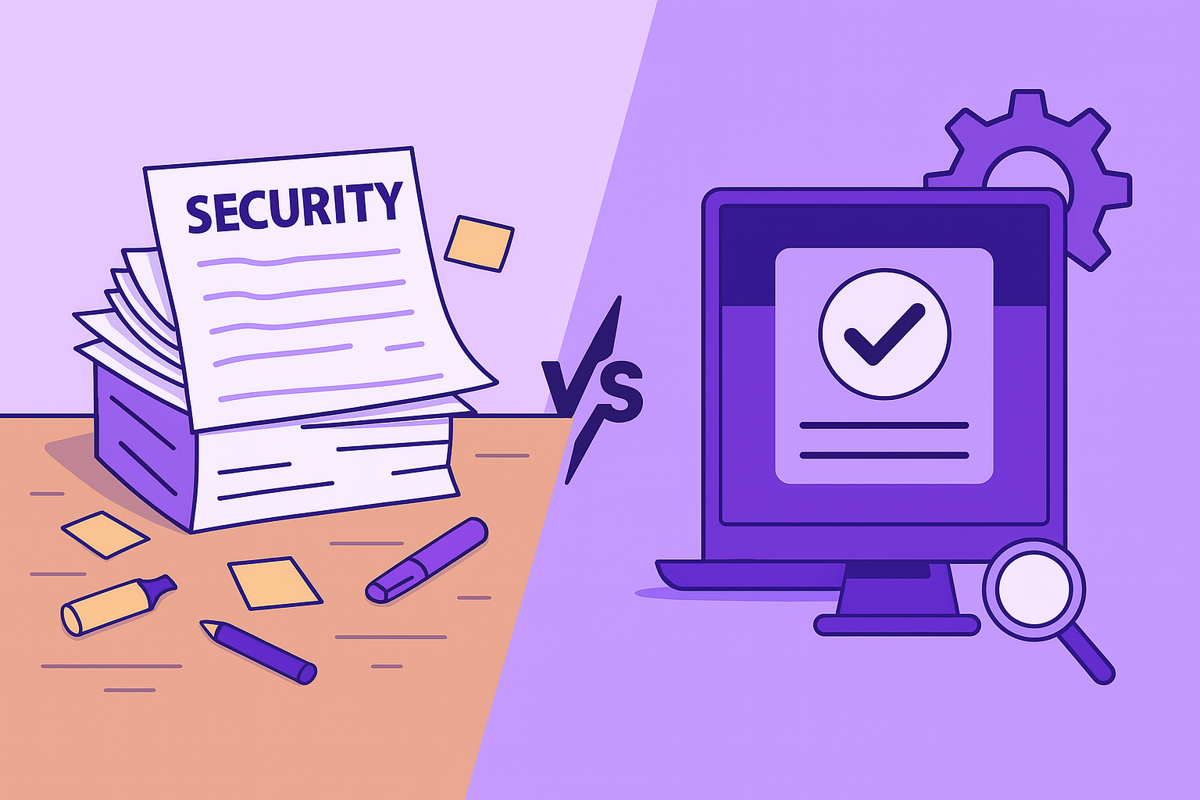
When you're handling RFPs, you're dealing with sensitive company and client information. That's why security can't be an afterthought. An essential feature of any RFP tool is a strong commitment to security and compliance. This includes features like data encryption, secure document handling, and detailed audit trails that track every change made to a proposal. For many organizations, the ability to maintain strict control over sensitive content is a requirement. Make sure any tool you consider meets industry-standard security protocols to protect your data and your clients' trust.
Multilingual Capabilities for Global Teams
If your business operates on a global scale, your proposal process needs to keep up. Submitting a bid in a client's native language isn't just a courtesy; it's a powerful competitive advantage that shows you understand their market. The best RFP tools recognize this and offer multilingual capabilities, allowing you to create proposals in dozens of languages. This feature eliminates the friction and potential inaccuracies of using third-party translation services. It ensures that your message is communicated clearly and professionally, catering to diverse linguistic and cultural contexts. For organizations looking to expand their international footprint, this isn't just a feature—it's a necessity for winning global bids.
Deep Microsoft Office Integration
Let's be honest: your team lives in Microsoft Office. A new tool that forces them into an unfamiliar interface is a recipe for low adoption and frustration. That's why seamless integration with Word, PowerPoint, and Excel is a critical feature. The right software works directly inside the applications your team already uses every day. This means they can leverage powerful AI and content suggestions without ever leaving their document. It eliminates the clumsy process of copying and pasting content between platforms, which reduces errors and saves a significant amount of time. This deep integration streamlines the entire workflow, making the proposal creation process feel intuitive and efficient rather than like another tedious task.
Focus on Visual Design and Presentation
A wall of text is not a winning proposal. In a competitive environment, how you present your information is just as important as the information itself. Modern RFP tools are moving beyond static PDFs and empowering teams to create visually engaging, interactive experiences. Look for features that allow you to build proposals with embedded videos, interactive pricing tables, and integrated e-signatures. These elements make your proposal easier for the client to understand and digest, especially on mobile devices. A well-designed, interactive proposal doesn't just answer the client's questions; it tells a compelling story about your brand and makes a memorable impression that sets you apart from the competition.
Understanding the Different Types of RFP Software
The term “RFP software” can be a bit of a catch-all, covering a wide range of tools that serve different purposes in the proposal lifecycle. When you start your search, you'll find platforms designed for finding bids, issuing them, and responding to them. Knowing the difference is the first step to finding a solution that actually solves your team's specific challenges. You don't want to end up with a powerful tool for issuing RFPs when your real pain point is responding to them. Let's break down the main categories you'll encounter so you can focus your search on what truly matters for your team.
Tools for Responding to RFPs
This is likely the category you have in mind. These platforms are built for sales and proposal teams who are on the receiving end of RFPs, RFIs, SOWs, and security questionnaires. Their main goal is to help you create high-quality, accurate responses faster. Modern response platforms use AI to automate the most time-consuming parts of the process, like shredding requirements and finding the best content from past proposals. For example, a solution like Iris uses AI to generate complete first drafts in minutes, not days. This allows your team to move past the tedious administrative work and focus on the strategic narrative that will convince the client you're the right choice.
RFP Finder Tools and Databases
If your primary challenge isn't responding to RFPs but finding them in the first place, then an RFP finder tool is what you need. Think of these platforms as specialized search engines for business opportunities. They aggregate public and private sector bids from various sources into a single, searchable database. Services like Bid Banana are designed to give businesses, especially smaller ones, an affordable way to access up-to-date bid information. These tools are excellent for expanding your pipeline and discovering new projects, but they don't typically help with the actual process of writing the proposal itself. They get you to the starting line, but you'll need a different tool for the race.
Tools for Issuing RFPs
On the other side of the coin are tools designed for the organizations that *issue* RFPs. Procurement and purchasing teams use this type of software to streamline the process of creating and distributing their requests. These platforms help them draft clear requirements, manage vendor questions, collect submissions in a standardized format, and evaluate responses in a fair, side-by-side comparison. While this isn't the right tool for a sales team, understanding that they exist is helpful. It gives you insight into the process your potential clients are using and highlights the importance of submitting a clear, compliant, and easy-to-evaluate proposal.
Industry-Specific Solutions
Finally, some RFP software is tailored to the unique demands of specific industries. A general-purpose tool might work for many, but sectors like government contracting, healthcare, and construction often have highly specialized requirements, compliance standards, and terminology. For instance, a tool like DeepRFP is built specifically for businesses responding to government tenders, which come with their own set of complex rules and formats. If you operate in a heavily regulated or niche industry, it's worth exploring whether a specialized solution exists. These platforms can provide a significant advantage by ensuring your proposals meet the precise expectations of your industry.
A Breakdown of the Top AI RFP Finder Tools
Alright, let's get into the specifics. With so many RFP tools on the market, it can be tough to figure out which one is the right fit for your team. Each platform has its own strengths, whether it's deep AI integration, project management capabilities, or a focus on a specific part of the proposal process. To help you sort through the options, I've broken down five of the top contenders. We'll look at what makes each one unique, who it's best for, and how it can help you streamline your workflow and start winning more bids. Think of this as your starting point for finding the perfect partner in your proposal-writing process.
HeyIris.ai
HeyIris.ai is designed to be more than just an RFP tool; it's a complete AI deal desk. It helps your team confidently respond to a whole range of documents, including RFPs, RFIs, SOWs, and security questionnaires. The platform's real strength lies in its ability to quickly generate accurate first drafts, cutting down the initial response time significantly. What's really helpful is how Iris proactively flags outdated information across all your connected systems, ensuring your proposals are always current and correct. By automating the tedious parts of the process, it frees up your team to focus on strategy, which can directly improve your deal volume and win rates. It's a great fit for teams that need to manage a high volume of complex proposals with speed and precision.
DeepRFP
DeepRFP positions itself as a powerful AI proposal automation tool without the complexity that often comes with enterprise-level software. Its standout feature is a team of AI “agents,” where each agent is designed for a specific task in the response process, mimicking how a human proposal team would work together. This approach helps streamline the workflow from start to finish. It's built for teams that want sophisticated AI capabilities to handle mission-critical tasks but prefer a more straightforward, accessible platform. If you're looking to leverage AI automation without getting bogged down by unnecessary features or a steep learning curve, DeepRFP is definitely one to check out.
Loopio
Loopio is a well-known name in the RFP space, focusing on streamlining and automating the entire response lifecycle. It's particularly strong in helping teams manage the process of creating, managing, and responding to RFPs. The platform makes it easier to issue requests to vendors, handle all the incoming proposal submissions, and evaluate the responses in one central place. Think of it as a command center for your entire RFP workflow. It's an excellent choice for organizations that need a robust system for managing a high volume of proposals and want to keep the entire process organized, from initial request to final evaluation, without letting anything slip through the cracks.
Inventive AI
Inventive AI carves out its niche as a highly advanced, AI-powered RFP response platform. It goes beyond basic content generation by using specialized AI agents that help with strategic positioning. This is especially useful in crowded, competitive markets where simply answering the questions isn't enough—you need to stand out. The platform is designed to help you differentiate your proposals and highlight your unique value proposition. If you're in an industry where every deal is hard-fought and you need an edge, Inventive AI's focus on strategic differentiation could be the key to crafting proposals that not only meet requirements but also capture the client's attention and win the business.
ClickUp
While many know ClickUp as a project management tool, it also functions as a capable RFP software. Its strength lies in its collaborative features, making it a great option for distributed bid and proposal teams. You can use it to develop, categorize, and send proposals while also managing the evaluation and response process on the vendor side. The platform's virtual collaboration tools are specifically designed to help teams work together seamlessly, no matter where they are. If your biggest challenge is keeping a remote or hybrid team on the same page during a complex proposal process, ClickUp's project management-centric approach could provide the structure and communication tools you need to succeed.
Common Roadblocks (And How to Get Past Them)
Adopting any new tool comes with a few bumps in the road. It's totally normal to have questions about how it will fit into your workflow, if your team will actually use it, and whether it's worth the investment. But don't let these common hurdles stop you from transforming your proposal process. Let's walk through some of the biggest roadblocks teams face when adopting RFP analysis software and, more importantly, how to get right past them.
How to Manage Information Overload
RFPs can feel like a data dump. You're staring at dozens, sometimes hundreds, of pages packed with dense requirements, compliance checklists, and specific questions. It's easy to get lost in the details and miss something critical. This is where an RFP analysis tool becomes your best friend. Instead of manually sifting through everything, the software automates the heavy lifting. It can build compliance matrices and compare documents in minutes, freeing your team from repetitive tasks. This allows you to spend less time on administrative work and more time crafting a winning strategy. The goal is to turn that overwhelming document into a clear, actionable roadmap.
Making It Work with Your Existing Tools
Your team already has its go-to tools—a CRM, a project management platform, and probably a dozen other apps. The last thing you need is another piece of software that doesn't play well with others. A good RFP tool isn't meant to be another silo; it's designed to be the central hub for your proposal process. Look for a platform that offers seamless integrations with the systems you already rely on. When your RFP software can pull customer data from your CRM and push tasks to your project management tool, you create a single, streamlined workflow. This eliminates the need to constantly switch between apps and ensures everyone is working with the same information.
How to Get Your Team Excited to Use It
“Not another new tool!” If you've heard this before, you're not alone. Getting buy-in from your team is one of the biggest challenges. The key is to show them how the software makes their jobs easier, not more complicated. RFP automation isn't about replacing people; it's about empowering them. These tools centralize your best content, making it simple to find and reuse winning answers. This means less time hunting for information in old documents and more time customizing responses. By automating tedious formatting and streamlining content reviews, you give your subject matter experts and writers the space to focus on what they do best: creating compelling, persuasive proposals that win more deals.
Is It Worth the Investment?
Let's talk about the bottom line. New software is an investment, and you need to know it will pay off. While there's an upfront cost, the right RFP tool delivers a significant return. Think about the hours your team spends on each proposal. By automating manual tasks and speeding up the response cycle, you're drastically reducing the cost per bid. Better yet, the improved data compilation helps you make smarter bid/no-bid decisions, so you're only chasing deals you have a real shot at winning. Over time, this efficiency leads to a higher volume of quality proposals and, ultimately, more closed deals, proving the tool's value many times over.
How to Trust the Data and Ensure Accuracy
In the high-stakes world of RFPs, accuracy is everything. A single piece of outdated information or a missed requirement can get your proposal tossed out. Relying on manual copy-pasting from old documents is a recipe for disaster. This is where AI-powered tools truly shine. Many platforms use generative AI to help draft content and perform compliance checks, catching potential issues before they become problems. The best solutions, like Iris, go a step further by proactively identifying and flagging outdated information across all your connected systems. This ensures every response is built on a foundation of current, correct, and approved content, giving you the confidence to hit “submit.”
How to Choose the Right Tool for Your Team
Picking the right RFP analysis tool isn't about finding a one-size-fits-all solution. The best software for your business depends entirely on your team's unique needs, workflows, and goals. Before you commit, it's smart to take a step back and evaluate what you truly need to succeed. Think of it like a puzzle—you need to find the piece that fits perfectly with your existing processes. The wrong tool can create more friction than it resolves, leading to frustrated team members and a clunky workflow. The right one, however, becomes a strategic asset that streamlines everything from content management to final submission. By asking the right questions about your budget, team size, technical requirements, and current software stack, you can confidently choose a tool that not only solves your immediate challenges but also supports your long-term growth.
Let's walk through the key factors to consider so you can make a choice that empowers your team to win more bids.
What's Your Budget?
Let's be real: RFP software is an investment. While some tools are straightforward, more advanced platforms come with a higher price tag. Instead of just looking at the sticker price, think about the return on investment (ROI). How many hours will your team save each week? If a tool helps you respond to just one or two more RFPs per quarter, what could that mean for your revenue? Consider the total cost of ownership, which includes implementation fees, training, and ongoing subscription costs. A cheaper tool might seem appealing now, but if it lacks key features that save significant time, it could cost you more in the long run through lost efficiency and missed opportunities.
Common Pricing Models
Pricing for RFP software can feel all over the map, but most tools fall into a few common structures. You'll often see per-user, per-month subscription models, which can range from budget-friendly options like Bid Banana at around $50 per month to more feature-rich platforms like DeepRFP, which starts at $75 per user. Other providers might offer tiered plans based on the number of users or the volume of proposals you manage. While it's tempting to compare tools on price alone, it's also important to think about the overall value. Some companies frame their pricing around the return on investment you can expect, with some users reporting returns as high as 15x their initial investment. The key is to find a model that scales with your team and provides the features you need to actually improve your win rate.
How Big is Your Team?
The size and structure of your team play a huge role in selecting the right software. A small, nimble team might prioritize a simple, intuitive interface that everyone can learn quickly. On the other hand, a large or distributed team will need more robust collaboration features. Look for tools that allow multiple users to work on a proposal simultaneously, assign tasks, and leave comments. Think about scalability, too. Will the software grow with you? Choosing a platform that can support your team as it expands ensures you won't have to switch systems down the road, saving you time and headaches.
Do You Have the Right Tech Setup?
When you're handling sensitive client data and proprietary information, security is non-negotiable. Don't just skim the features list; dig into the technical specifications. Does the tool offer encryption to protect your data? Are there audit trails that track who accessed or changed information and when? For many organizations, especially those in finance or healthcare, compliance with standards like SOC 2 or GDPR is a must. A platform with strong security features gives you and your clients peace of mind, ensuring your confidential content remains secure while you streamline your proposal process.
What Kind of Support Do You Need?
Even the most intuitive software can have a learning curve. Before you sign on the dotted line, find out what kind of customer support is available. Some providers offer comprehensive onboarding and dedicated account managers, while others rely on knowledge bases and email tickets. Think about your team's technical skills. If you anticipate needing extra help, look for a provider known for its responsive and helpful support. A great tool is only effective if your team feels confident using it, so don't underestimate the value of having a reliable support system to turn to when questions come up.
Does It Play Well with Other Tools?
Your RFP software shouldn't operate in a silo. To get the most out of your investment, it needs to integrate smoothly with the tools your team already uses every day. Check for native integrations with your CRM (like Salesforce), cloud storage (like SharePoint or Google Drive), and communication platforms (like Slack or Microsoft Teams). The ability to easily import information and export finished proposals into different formats like Word or PDF is also crucial. A well-integrated system creates a seamless workflow, reduces manual data entry, and ensures everyone is working with the most up-to-date information.
Go Beyond the Basics: Advanced RFP Analysis
Once you have a great RFP analysis tool in your corner, you can move beyond just speeding up the process. It's time to get strategic. Using your tool for advanced analysis helps you uncover deeper insights, refine your approach, and create proposals that don't just meet requirements but truly stand out from the competition. These techniques are what separate the good proposal teams from the great ones.
How to Fine-Tune Your Keyword Strategy
Going beyond basic keyword matching is where you'll find your edge. Instead of just identifying keywords, use your tool to understand their context and intent. Pay close attention to terms related to security and compliance, like “encryption,” “audit trails,” or “private cloud.” Highlighting these shows you understand the client's deeper needs for secure and reliable document handling. This shifts your proposal from a simple sales pitch to a demonstration of your commitment to their operational integrity. By focusing on the why behind the keywords, you can tailor your responses to address the client's core concerns, not just their stated requirements.
Create a Reusable Content Library
Your RFP tool can be the foundation for a powerful content library. As you respond to more proposals, use the software to identify recurring questions, common themes, and your own top-performing answers. This allows you to build a repository of pre-approved, reusable content. Instead of starting from scratch every time, your team can pull from a trusted source, ensuring consistency and accuracy. This practice complements the automation features of RFP software, which already reduce repetitive work. By having a solid content library, you free up even more time to focus on customizing the proposal and perfecting your strategy for each unique bid.
How to Get an Edge Over the Competition
A smart RFP tool helps you focus your energy on strategy, not just automation. If you can access public records of past winning proposals, you can use your analysis tool to see how competitors structure their responses and what language they use. This gives you a window into their strategy, helping you identify their perceived strengths and potential weaknesses. You can then position your own proposal to directly counter their claims and highlight the areas where your solution is superior. This level of analysis allows you to move from a reactive response process to a proactive, competitive strategy that anticipates and outmaneuvers other bidders.
Actionable Strategies to Improve Your Win Rate
Improving your win rate isn't just about writing better proposals—it's about choosing the right bids to pursue in the first place. Use your tool's analytics to track your performance across different types of RFPs. You might discover you have a much higher success rate with mid-sized companies or in a specific industry. This data is gold. It allows you to focus your team's valuable time and resources on the opportunities you're most likely to win. By streamlining the proposal process, you gain the bandwidth to make these strategic bid/no-bid decisions, ensuring your efforts are always directed toward the most promising deals.
Putting Quality Assurance into Practice
Even the most compelling proposal can be disqualified by a simple mistake or a missed requirement. Use your RFP tool as a final line of defense for quality assurance. Modern platforms often use natural language processing to perform a final compliance analysis, scanning for inconsistencies, unclear language, or any requirements you may have overlooked. This automated check ensures every proposal you submit is polished, professional, and perfectly aligned with what the client asked for. It's a simple step that protects your hard work and gives you confidence that your submission is as strong as it can be.
The Real Power of AI in RFP Analysis
Let's be honest: manually analyzing a dense, hundred-page RFP is nobody's idea of a good time. It's a slow, meticulous process where a single missed keyword or requirement can cost you the entire deal. This is where AI completely changes the game. It's not just about working faster; it's about working smarter. Think of AI as your strategic partner, one that can read between the lines, connect the dots, and surface insights you might have missed after your third cup of coffee. By handling the heavy lifting of analysis, AI frees up your team to focus on what truly matters: crafting a compelling, winning proposal that speaks directly to the client's needs.
Instead of spending the first few days of a response cycle just trying to understand the document, your team can jump straight into strategy. AI-powered tools can instantly break down complex documents, identify the most critical requirements, and even flag potential risks or areas of concern. This shift from manual labor to strategic oversight is fundamental. It allows your proposal managers, writers, and subject matter experts to invest their brainpower in developing a narrative, highlighting your unique value proposition, and tailoring every response for maximum impact. It's about transforming the RFP response from a reactive, box-ticking exercise into a proactive, strategic sales function.
What Can Machine Learning Do for You?
At the heart of these advanced tools is machine learning, a type of AI that allows software to learn from data and improve over time. When applied to RFPs, it uses technologies like natural language processing (NLP) to read and understand the document's text. Instead of you manually highlighting keywords, the AI can instantly detect key themes, identify customer pain points, and even analyze the sentiment behind the language. Some RFP tools use this intelligence to generate first-draft content, perform clarity checks, and ensure your response aligns perfectly with the issuer's core needs. It's like having a subject matter expert who can digest the entire RFP in seconds.
Automate Compliance Checks and Save Time
Missing a single mandatory requirement is one of the fastest ways to get disqualified. Traditionally, building a compliance matrix is a painstaking, manual task of cross-referencing requirements in a spreadsheet, leaving plenty of room for human error. AI-powered tools eliminate this risk by automating the entire process. The software scans the RFP, extracts every single requirement, and instantly builds a detailed compliance matrix for you. This not only saves hours of tedious work but also gives you the confidence that every “must-have” is accounted for, allowing your team to focus on crafting high-quality responses instead of just ticking boxes.
Receive Smart Suggestions for Your Content
How much time does your team spend digging through old proposals, folders, and documents to find the right answer to a question? AI transforms this frustrating search into an instant retrieval process. An intelligent deal desk solution acts as your central knowledge library, using AI to understand the context of each RFP question and suggest the most relevant, up-to-date content from your past responses. It's like having a proposal team of AI agents working alongside you, each one an expert in finding the perfect piece of information. This ensures your answers are not only accurate but also consistent across every proposal you submit.
Use Predictive Analytics to Make Smarter Bids
What if you could predict your chances of winning a bid before you even start writing? That's the power of predictive analytics in RFP software. By analyzing your historical data—your past wins, losses, and the characteristics of those deals—AI can score a new RFP based on your likelihood of success. This goes far beyond basic content generation. It provides critical data for making smarter bid/no-bid decisions, helping you focus your team's valuable time and resources on the opportunities you're most likely to win. This strategic foresight is what separates good proposal teams from great ones.
Getting the Most Out of Your Investment
Choosing the right RFP keyword analysis tool is a huge step, but the real magic happens when you integrate it into your team's daily rhythm. Simply having the software isn't enough; you need a plan to make it an indispensable part of your proposal process. Think of it like getting a new, top-of-the-line kitchen appliance—it has the potential to make amazing things, but you still need to learn the recipes and techniques.
The goal is to move beyond just using the tool and start leveraging it to make smarter decisions, streamline your workflow, and ultimately, win more bids. It's about turning a software subscription into a tangible return on investment. By focusing on solid implementation, clear performance metrics, and data-backed strategies, you can ensure your new tool becomes a core driver of your team's success. Let's walk through how to make that happen.
How to Implement Your New Tool Successfully
Rolling out any new software requires a thoughtful approach. Start by getting your team excited about the benefits, focusing on how it will eliminate repetitive work and help them focus on strategy. A great first step is to build a centralized content library within the tool, making your best answers easily accessible.
Next, integrate the tool into your existing workflow. Don't try to build a whole new process around it overnight. Instead, identify where it can automate manual steps you're already taking, like building compliance matrices or finding the right responses. Provide clear training and set achievable initial goals, like using the tool for one specific type of RFP to start. This gradual adoption helps build confidence and ensures the software becomes a helpful partner rather than another hurdle.
How to Measure Performance
You can't improve what you don't measure. Before you even begin, define what success looks like for your team. Are you trying to reduce the time it takes to create a first draft? Increase your win rate by 10%? Submit more proposals each quarter? Set clear, quantifiable goals.
Track metrics that directly reflect the tool's impact. Monitor how often certain keywords or content blocks are used and how they correlate with successful bids. Many tools offer analytics that show search relevance and frequency, giving you concrete data on what's working. You can also look at team-based metrics, like the average time spent per proposal. Reviewing these numbers regularly will show you exactly what kind of return you're getting, as seen in various customer success stories.
Use Data to Make Better Bidding Decisions
An RFP analysis tool is more than just a content repository; it's a source of powerful insights. Use the data it gathers to refine your strategy over time. Analyze which proposals you win and lose to identify patterns in keywords, themes, and customer requirements. This information can help you make much smarter bid/no-bid decisions, focusing your energy on opportunities you're most likely to win.
Your tool should also provide a clear audit trail, showing who answered what and when. This not only helps with accountability but also allows you to see which team members are experts on certain topics. Use these insights to assign questions more effectively and continuously improve the quality of your content library. This data-first approach turns every proposal into a learning opportunity.
How to Streamline Your Workflow for Efficiency
The ultimate goal is to create a seamless, efficient proposal machine. Your RFP tool should be the engine that powers it. Leverage features like generative AI and natural language processing to produce high-quality first drafts in minutes, not hours. This frees your team from the tedious work of copying and pasting, allowing them to spend their time personalizing and perfecting the proposal.
Integrate the software with your other systems, like your CRM, to pull in customer data and maintain a single source of truth. By automating compliance checks and content suggestions, you can drastically reduce errors and ensure every proposal is clear, compelling, and perfectly aligned with the client's needs. Explore all the advanced features your tool offers to find new ways to cut down on manual effort and accelerate your entire sales cycle.
Beyond the Bid: Long-Term Strategic Wins
Adopting an RFP keyword analysis tool isn't just about speeding up your next proposal. It's a strategic move that pays dividends long after you hit “submit.” Think of it as shifting from a reactive, proposal-by-proposal scramble to a proactive, data-informed sales strategy. When you can instantly dissect what a potential client truly wants, you stop wasting time on bids you were never going to win and start focusing your energy on the ones where you're a perfect fit.
This shift has a ripple effect across your entire sales operation. Your team becomes more efficient, your proposals become sharper, and your win rate naturally improves. But more importantly, you build a reputation for being thorough, responsive, and truly understanding your clients' needs. Over time, this isn't just about winning individual deals; it's about building a sustainable engine for growth. You're not just answering RFPs faster—you're fundamentally changing how you compete and win in your market, creating a long-term advantage that's hard for others to replicate.
Decide Which RFPs Are Worth Your Time
Let's be honest: not every RFP is worth your time. Chasing a bad-fit opportunity drains resources and morale with little chance of a payoff. This is where a keyword analysis tool becomes your team's best filter. Instead of spending days manually reading a dense document, you can get an instant read on whether the project aligns with your core strengths. An AI-powered requirements analysis can quickly evaluate an RFP, making the critical “bid/no-bid” decision much clearer. This allows you to confidently pass on mismatched opportunities and pour your energy into the bids where you have a genuine shot at winning.
How to Improve Proposal Accuracy and Consistency
A single missed requirement can get your proposal disqualified before it's even seriously considered. RFP analysis tools act as your safety net, ensuring complete compliance and accuracy. By automatically cross-referencing your content against the RFP's requirements, these platforms catch potential gaps and inconsistencies. AI and natural language processing can help generate draft content and perform compliance checks, ensuring every question is answered and every specification is met. This meticulous attention to detail not only keeps you in the running but also shows the client that you're a thorough and reliable partner.
Make the Most of Your Team's Time and Resources
The traditional RFP process is a notorious time-sink, often involving late nights and pulling people away from their primary roles. An RFP software platform streamlines the entire workflow, from initial analysis to final submission. By automating repetitive tasks like finding the right content and formatting documents, you free up your team to focus on what humans do best: strategy, relationship-building, and crafting a compelling narrative. This means less burnout and more time dedicated to high-value activities that actually drive revenue and strengthen client relationships.
Build a Long-Term Competitive Advantage
In a crowded market, speed and precision are what set you apart. An RFP analysis tool gives you a distinct edge by allowing you to create higher-quality proposals in a fraction of the time. When your competitors are still manually sifting through documents, you're already refining your strategy and tailoring your value proposition to the client's exact needs. This ability to be more agile and strategic is crucial for winning deals in competitive markets. You're not just responding to an RFP; you're demonstrating your expertise and responsiveness from the very first interaction.
Related Articles
- RFP Guide: How to Write, Respond, & Win
- 10 Features to Look For in Request for Proposal (RFP) Software
- Turning RFPs into a Competitive Edge
Frequently Asked Questions
Will an AI tool like this make my proposal writing job obsolete? Absolutely not. Think of these tools as a partner, not a replacement. The goal is to automate the most tedious, time-consuming parts of the job—like digging for requirements or finding that perfect answer you wrote last year. This frees you up to focus on the strategic work that actually wins deals: crafting a compelling story, tailoring your message to the client, and ensuring your proposal truly stands out. The AI handles the repetitive tasks so you can focus on being the brilliant writer and strategist you are.
Our team is small. Is this kind of software still worth it for us? Yes, and in some ways, it can be even more valuable for smaller teams. When you have fewer people, every minute counts. An RFP tool acts as a force multiplier, allowing a small team to punch well above its weight. It helps you respond to more opportunities with higher quality and less stress, without needing to hire more people. It levels the playing field, enabling you to compete with larger organizations by being more efficient and strategic with the resources you have.
What's the real difference between a simple keyword finder and a true AI analysis platform? A simple keyword finder is like using the “find” function in a document—it will show you every time a word appears, but without any context. A true AI platform does so much more. It uses natural language processing to understand the intent behind the words, identify underlying themes, and build a full compliance matrix automatically. It can suggest pre-approved content, flag outdated information, and even help you generate first drafts, turning a mountain of text into a clear, actionable strategy.
How much work is it to get one of these tools up and running? This can vary, but the best platforms are designed for a smooth transition. The initial setup usually involves connecting your existing systems and uploading your best past proposals to build your content library. A good provider will offer support and training to guide you through the process. The key is to start small. Focus on integrating the tool into one part of your workflow first, and as your team gets comfortable, you can expand its use. The upfront effort pays off quickly when you see how much time you save on your very next proposal.
How can I justify the cost of an RFP tool to my leadership team? Focus on the return on investment, which goes far beyond just the subscription price. Frame it in terms of efficiency and growth. Calculate the hours your team currently spends on manual tasks and show how much time—and therefore money—the tool will save. More importantly, explain how this newfound efficiency allows your team to submit more high-quality bids and make smarter bid/no-bid decisions. This leads directly to a higher win rate and more revenue, making the tool an investment in winning more business, not just another software expense.
Share this post
Link copied!







_EasiestToDoBusinessWith_EaseOfDoingBusinessWith.svg)
_HighPerformer_HighPerformer.svg)




_BestSupport_QualityOfSupport.svg)


