
7 RFP Process Steps to Help You Win More Deals
February 27, 2026
By
Evie Secilmis
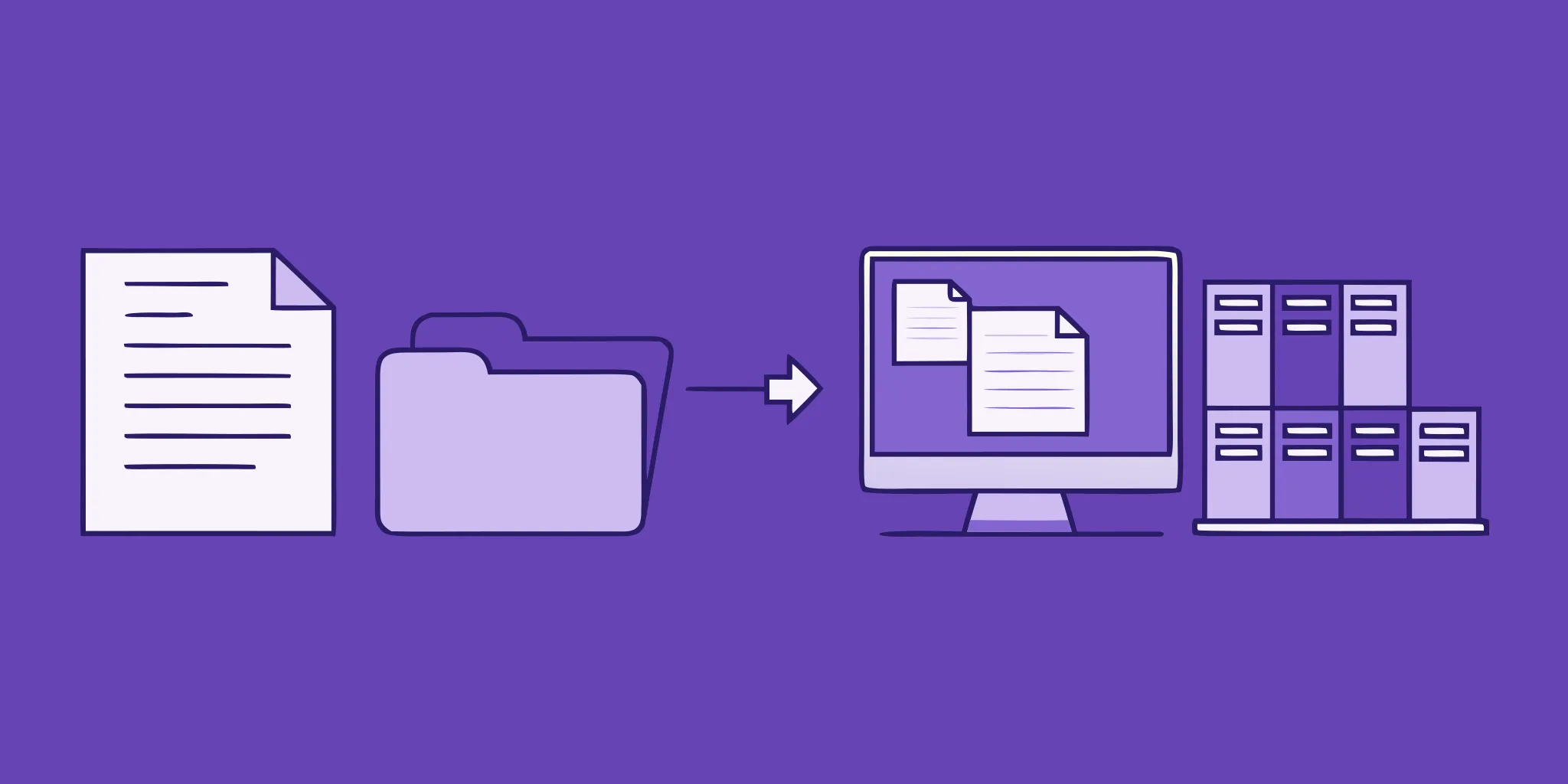

When a new Request for Proposal lands in your inbox, does your team spring into action with a clear, confident plan—or does it kick off a chaotic fire drill? For many, it's the latter. But winning proposals don't happen by accident. They're the direct result of a disciplined and repeatable rfp process. Without a solid framework, even the best teams scramble, miss key details, and lose out on major opportunities.
The secret isn't working harder; it's working smarter. We’re going to walk you through the exact rfp process steps that high-performing teams use to create a seamless rfp management process, turning every RFP into a genuine opportunity to win.
The process involves frantically searching for past answers, chasing down subject matter experts, and wrestling with version control across a tangle of emails and shared documents. This reactive scramble isn't just stressful — it costs you deals.
A well-defined system for RFP processing is the antidote. It transforms the entire workflow from a source of frustration into a predictable, efficient engine for creating high-quality proposals that win.
What Exactly Is an RFP Process?
RFP processing refers to everything your team does from the moment an RFP arrives to the moment a completed response goes out the door. It covers intake and qualification, internal coordination, content creation, review, and final submission.
The goal isn't just to respond — it's to respond well, consistently, and without burning out your best people in the process. A mature RFP process means every proposal looks like it came from a team that had plenty of time, even when they didn't.
The Core Purpose of an RFP
At its heart, a Request for Proposal (RFP) is a formal document an organization uses to solicit bids from potential vendors for a specific project, product, or service. Think of it as a detailed questionnaire designed to gather information from different companies in a standardized format. This structure is key because it allows the issuing organization to compare apples to apples, evaluating each potential partner based on a consistent set of criteria. By outlining their needs, goals, and requirements upfront, they can make a well-informed, fact-based decision rather than relying on a gut feeling. It’s their way of ensuring they choose the vendor that truly offers the best value for their specific challenge.
RFP vs. RFI vs. RFQ: What's the Difference?
While "RFP" is often used as a catch-all term, it’s actually part of a family of documents that includes Requests for Information (RFIs) and Requests for Quotation (RFQs). Understanding the nuances between them is critical for your sales strategy. Each document signals a different stage in the buyer's journey and requires a distinct type of response. Getting it right means you can meet the buyer where they are, provide the exact information they need, and position your company as a helpful, attentive partner from the very beginning. Let's break down what makes each one unique.
RFI (Request for Information)
A Request for Information is the first step in the procurement process, used when a company is still in the research phase. It’s less formal than an RFP and is designed to gather general information about the solutions available in the market. The buyer might not even have a fully-formed project yet; they're simply exploring possibilities and trying to educate themselves. For your team, an RFI is a golden opportunity. It’s your chance to introduce your capabilities, help shape the buyer’s understanding of their own needs, and build a relationship that could lead to you being shortlisted for the eventual RFP.
RFQ (Request for Quotation)
A Request for Quotation comes into play when the buyer knows exactly what they want and the primary deciding factor is price. This document is used for specific, often standardized products or services where the requirements are crystal clear. There’s very little room for creative solutions; the buyer has defined the specifications and is now looking for the best possible price from qualified vendors. Responding to an RFQ requires precision and competitiveness. Having an AI-powered platform to quickly pull accurate pricing and product details gives you a huge advantage, ensuring you can submit a sharp, accurate quote without delay.
Step 1: Decide If the RFP Is a Good Fit
Not every RFP is worth pursuing. Before you assign anyone to work on a response, spend 30 minutes doing a structured qualification review. Ask whether the opportunity fits your ICP, whether the timeline is realistic, whether you have differentiated answers for the key technical sections, and whether the deal size justifies the effort.
A simple go/no-go scoring rubric applied consistently will save your team dozens of hours per quarter on opportunities that were never going to close. Document your decision either way — declining strategically is a sign of process maturity, not weakness.
When Do Companies Issue an RFP?
Companies don't issue RFPs on a whim; it's a strategic move to make a smart, fact-based decision. At its core, an RFP is a formal way for an organization to gather detailed proposals from various vendors for a specific project or need. This process is typically triggered when a project is particularly complex, expensive, or will have a significant impact on the business. Many companies have internal policies that require an RFP once a purchase exceeds a certain cost threshold. For government agencies and public institutions, this process is often a legal requirement to ensure fairness and transparency. By issuing an RFP, they create a structured framework to evaluate potential partners on an even playing field, ensuring the final choice is based on merit, not just a pre-existing relationship or a good sales pitch.
Step 2: Set Your Scoring Criteria from the Start
Before writing a single word, decide how you will judge the quality of your response. What are the buyer's stated evaluation criteria? What weight do they carry? Where does your solution have a clear advantage, and where are you weaker than the competition?
Establishing this upfront ensures the whole team is calibrated on what a winning response looks like — and it prevents individual contributors from going deep on sections that aren't heavily weighted. This is also the time to assign a response owner who is accountable for the final submission.
Understanding the People and Timeline Behind the RFP
To craft a winning proposal, you need to understand the world it's entering. This means knowing who will be reading it and the timeline they're working against. An RFP isn't just a document; it's a project managed by a team of people with different priorities and pressures. Recognizing this from the outset gives you a strategic advantage. You can tailor your language to resonate with different stakeholders and manage your own team's time effectively by aligning with the buyer's schedule. It’s about playing the game with a full view of the field, not just reacting to the ball when it comes your way. This perspective helps you move from being just another vendor to becoming a trusted partner who understands their needs on a deeper level.
The Key Roles on the Issuing Team
When you submit an RFP, it doesn't just land on one person's desk. A whole cast of characters is involved in the decision. You have the Business Stakeholders, who are the end-users focused on how your solution solves their daily problems. Then there are the Procurement Professionals, who are all about the numbers, compliance, and contract terms. Sometimes, external Consultants are brought in to provide an objective opinion, while senior Executives have the final say, focusing on ROI and strategic alignment. Understanding these different roles is key. Your proposal needs to speak to each of them—addressing the practical needs of the user, the financial concerns of procurement, and the big-picture goals of the leadership team.
A Typical RFP Process Timeline
Patience is a virtue in the world of RFPs. From the moment an RFP is issued to the final decision, the process typically takes about four to eight weeks. This timeline covers everything from the initial submission deadline to the Q&A period, vendor presentations, and internal deliberations. However, this is just a general guideline. A highly complex, multi-million dollar deal might stretch on for months, while a more straightforward request could wrap up in less than a month. The key is to use the stated timeline to plan your own workflow. And remember, buyers who use digital procurement tools can often move much faster, so having your own house in order is critical to keeping pace and submitting a quality response on a tight schedule.
The Full RFP Lifecycle: An Issuer's Perspective
Stepping into the buyer's shoes can completely change how you approach an RFP. Their process doesn't start when they send you the document; it begins long before, with internal planning and research. They're trying to solve a real business problem, and the RFP is their structured way of finding the best possible partner to help them. By understanding their entire lifecycle—from initial planning and vendor questions to negotiations and post-project reviews—you can anticipate their needs at every stage. This insight allows you to be more proactive, ask smarter questions, and position your solution not just as a product, but as the clear answer to the underlying challenges they're facing. It’s a shift from reactive selling to strategic partnership.
Pre-RFP Planning and Vendor Research
Long before an RFP hits your inbox, the issuing company is doing its homework. This phase is all about internal discovery. Teams are analyzing their spending, identifying operational gaps, and figuring out exactly where a new solution or partner could make a difference. They're defining the scope of the project, outlining their must-have requirements, and getting budget approval from leadership. According to one guide on how to run an RFP process, this is when they look at spending data to find opportunities for savings or innovation. This is why your company's reputation and online presence matter—you could be on their initial longlist before you even know an opportunity exists.
Managing Vendor Questions and NDAs
Once the RFP is out in the wild, the communication floodgates open. This is the designated period for you and other vendors to ask clarifying questions. Smart buyers will manage this process carefully, ensuring all questions are answered promptly and that all vendors receive the same information to keep the playing field level. You'll also likely be asked to sign a Non-Disclosure Agreement (NDA) at this stage to protect the confidential information they're sharing about their business. This is your chance to dig deeper into any ambiguous requirements and demonstrate that you're thinking critically about their needs, so don't be shy about seeking clarity.
Shortlisting Finalists and Product Demonstrations
After the submission deadline, the buyer's team gets to work evaluating the proposals. They'll score each response against a predetermined rubric that weighs different factors like technical capabilities, experience, and cost. From there, they'll create a shortlist of the top three to five vendors. If you make the cut, you'll likely be invited for the next round, which could involve a product demonstration, a site visit, or in-depth presentations with key stakeholders. This is your moment to bring your proposal to life, connect with the team on a personal level, and prove that your solution is as good in practice as it is on paper.
Negotiation and Contracting
Congratulations, you've been selected as the preferred vendor! But it's not over yet. The next step is the negotiation and contracting phase. Here, you'll work with their procurement and legal teams to hammer out the final details of the deal. This includes pricing, service level agreements (SLAs), implementation timelines, and other key terms. The buyer might ask for a "Best and Final Offer" (BAFO) to see if there's any room for a better deal. It's a critical stage where both sides need to be clear on expectations to build a strong foundation for a successful, long-term partnership.
Post-Award Communication and Internal Review
The RFP lifecycle doesn't end once the contract is signed. A thorough buyer will close the loop with all participants. They'll formally notify the vendors who weren't selected and, if asked, often provide constructive feedback on why their proposal fell short. This is an invaluable learning opportunity for your team. Internally, the buyer's team will also conduct a post-mortem on their own process, reviewing what went well and what could be improved for the next time. This commitment to continuous improvement on both sides is the hallmark of a mature and professional procurement process.
Common RFP Mistakes to Watch Out For
Even the most well-intentioned buyers can make mistakes that complicate the RFP process for everyone involved. As a vendor, learning to spot these common pitfalls can save you a lot of wasted time and effort. When you see the signs of a poorly managed process—like a vague scope or an obsessive focus on the lowest price—you can make a more informed decision about whether to invest your resources or politely decline. Recognizing these red flags allows you to focus your energy on high-quality opportunities where you have a real chance to win and build a healthy partnership, rather than getting bogged down in a frustrating and disorganized evaluation.
Vague Project Scope
One of the most common issues is an RFP with a vague or poorly defined project scope. When the buyer isn't crystal clear about what they want to achieve, it's nearly impossible for you to propose a tailored, effective solution. This ambiguity often leads to a wide range of proposals that are difficult for the buyer to compare, turning the evaluation into an apples-to-oranges mess. If you encounter a scope that feels unclear, it's a signal to ask probing questions during the Q&A period. Your ability to help the buyer clarify their own needs can set you apart as a strategic partner, not just another vendor filling out a form.
Focusing on Price Over Value
Another major red flag is when an RFP seems to be overwhelmingly focused on price. While budget is always a factor, a process that prioritizes the lowest bid above all else often overlooks critical elements like quality, service, and long-term value. This can lead the buyer to a cheaper solution that ends up costing them more down the line due to poor performance or unreliable service. When you see this, your job is to reframe the conversation around total cost of ownership and ROI. Build a strong business case that clearly articulates the value and long-term benefits your solution provides, proving that the cheapest option isn't always the best investment.
Lack of a Standardized Pricing Template
When a buyer asks for pricing but doesn't provide a structured template, it can create chaos. Each vendor will present their costs in a different format, making it incredibly difficult for the buyer to make a fair, side-by-side comparison. This lack of standardization is a sign of an immature procurement process. While you can't control what the buyer does, you can control how you respond. This is where having your product and pricing information neatly organized in a central knowledge library becomes a lifesaver. Tools like Iris's AI-powered platform ensure your team can quickly pull accurate, approved information and adapt it to any format, bringing clarity and professionalism even when the request is disorganized.
Step 3: Create a Go-To Content Library
The single biggest efficiency lever in RFP processing is having a well-maintained knowledge base. If your team is copy-pasting from last quarter's proposal or hunting through a shared drive every time a new RFP arrives, you're starting from scratch on every bid.
A centralized content library — with approved, accurate answers organized by topic — means your team spends time improving responses rather than finding them. The best systems use AI to suggest relevant answers automatically, flag outdated content, and surface the most-used responses so your library stays fresh without requiring manual audits.
Step 4: Write a Clear and Persuasive Response
When you're on the issuing side of an RFP, clarity is your best friend. A vague RFP produces vague proposals, making evaluation harder and outcomes worse. Include the project's purpose, specific goals, scope of work, evaluation criteria, and a timeline with all key deadlines.
When you're on the responding side, mirror that same discipline. Answer what was asked. Be specific. Use the buyer's language. Don't pad responses to look thorough — evaluators read dozens of these and they can spot filler immediately.
Step 5: Keep All Team Communication Together
When RFP collaboration happens across email threads, Slack DMs, and shared drives simultaneously, version control breaks down fast. Conflicting edits, missed comments, and duplicate work are the predictable result.
A centralized platform for all RFP communication keeps everyone working on the same version, makes it easy to assign sections to SMEs, and creates a clear audit trail of who reviewed what. This is especially important for security questionnaires and DDQs where accuracy and compliance are non-negotiable.
Step 6: Review, Approve, and Send It Off
Before submission, every response should go through at least one structured review pass — ideally by someone who wasn't in the weeds on the writing. They'll catch inconsistencies, tone issues, and answers that technically respond to the question but don't make a compelling case.
Build a final checklist: all required attachments included, formatting matches the buyer's specifications, all questions answered, no placeholder text remaining, submission method confirmed. A missed requirement on the last page has cost teams deals that were otherwise theirs to win.
Step 7: Track Your Wins and Learn from Them
You can't improve what you don't measure. Track time from receipt to submission, number of team members involved, win rate by RFP type, and which sections required the most SME involvement. Over time, these metrics tell you exactly where your process is breaking down.
When you understand what a winning response looks like, you can build better templates, improve your content library, and standardize your approach across every bid. Teams that treat RFP processing as a discipline — not a one-off effort — consistently outperform those that don't.
How to Simplify Your RFP Process Steps
Iris is built specifically for teams that respond to RFPs, security questionnaires, and DDQs at volume. It pulls from your approved knowledge base to generate first-draft responses in minutes, routes questions to the right SMEs automatically, and keeps your content library current without manual upkeep.
Teams using Iris cut response time by up to 60% — not by cutting corners, but by eliminating the repetitive work that doesn't require human judgment.
The Rise of RFP Response Technology
The old way of handling RFPs—digging through past proposals and chasing down experts for answers—is no longer sustainable. It’s a recipe for inconsistent messaging, outdated information, and team burnout. This is why specialized RFP response technology has become so critical. These tools are designed to bring order to the chaos by centralizing your entire process. The core of this technology is a dynamic knowledge base, a single source of truth for all your approved content. Instead of hunting through shared drives, your team can instantly find accurate answers. Advanced AI-powered platforms take this a step further by automatically suggesting the most relevant content and proactively identifying information that needs a refresh. This means your team can focus on strategic customization instead of tedious administrative work, leading to higher quality proposals and better win rates.
Related Articles
- Best Practices for Writing an RFP
- A 6-Step Guide to Flawless RFP Processes
- Steps to Optimize Your RFP Process for Faster Bids
- The Ideal Format for RFP: A Step-by-Step Guide
Frequently Asked Questions
Is it really worth the effort to create a formal go/no-go process for RFPs? Absolutely. Think of it as quality control for your time and energy. A quick, structured review at the beginning prevents your team from pouring dozens of hours into a proposal that was never a good fit. It’s not about turning down business; it’s about strategically choosing the opportunities where you have the highest probability of winning, which protects your team from burnout and focuses their efforts where it counts.
My team is small. How can we compete with larger companies on big RFPs? You compete by being smarter and more disciplined, not by working more hours. A repeatable process is your greatest advantage. When you have a solid content library and a clear workflow, you can produce high-quality, consistent proposals without reinventing the wheel every time. This efficiency allows you to focus your energy on tailoring the response to the client's specific needs, which is often what makes a proposal stand out, regardless of team size.
What's the single biggest mistake teams make when responding to RFPs? The most common mistake is failing to answer the question that was actually asked. It’s easy to fall into the trap of copying and pasting a generic marketing blurb that sounds good but doesn’t directly address the buyer’s specific point. Evaluators can spot this immediately. The best responses are direct, specific, and use the buyer's own language to show you’ve paid attention to their unique challenges.
How do I get my subject matter experts (SMEs) to actually respond to my requests on time? Make it as easy as possible for them. Instead of just forwarding the entire RFP, pull out the exact questions you need them to answer, provide any necessary context, and give them a clear, reasonable deadline. Using a central platform where you can assign questions and track progress is also a game-changer, as it prevents requests from getting lost in a crowded email inbox and creates clear accountability.
Building a content library sounds like a lot of work. Where do I even start? Don't try to build the entire library at once. Start small. After you submit your next proposal, take your five or ten best answers, clean them up, and save them in a simple, organized document. Do this after every submission. Over a few months, you'll have a solid foundation of approved, high-quality content that you can build upon, saving you from ever having to start from a blank page again.
Key Takeaways
- Establish a repeatable process: Stop treating RFPs like emergencies. Qualify every opportunity with a clear go/no-go decision and follow a structured workflow to produce consistent, high-quality proposals every time.
- Centralize your content: Create a single, reliable knowledge library with pre-approved answers. This eliminates frantic searching and ensures your team can quickly build accurate, persuasive proposals without starting from scratch.
- Understand the buyer's perspective: Your proposal will be read by multiple people with different priorities. Tailor your response to address the specific needs of business stakeholders, procurement teams, and executives to prove you are the right partner for them.
Share this post
Link copied!







_EasiestToDoBusinessWith_EaseOfDoingBusinessWith.svg)
_HighPerformer_HighPerformer.svg)





_BestSupport_QualityOfSupport.svg)


