navattic.identify({ email: user.email })

In a world of increasing regulations and security threats, managing sensitive supplier data across scattered spreadsheets and email inboxes is a major liability. Every manual entry is a potential error, and every unsecured file is a compliance risk waiting to happen. Without a single source of truth, proving compliance during an audit becomes a frantic scramble for documents. Procurement automation creates a secure, centralized, and audit-ready environment for all your supplier interactions. The benefits of procurement automation for vendor file management are foundational to this security, ensuring that every contract, compliance certificate, and performance review is tracked, versioned, and accessible only to the right people.

Procurement has always been a balancing act — finding the right vendors, negotiating contracts, managing compliance, and tracking performance.
But as the number of vendors, data points, and regulations continues to grow, manual processes can’t keep up.

That’s why leading organizations are turning to procurement automation — using technology and AI to streamline repetitive tasks, reduce human error, and empower teams to make faster, smarter purchasing decisions.

Defining Procurement Automation

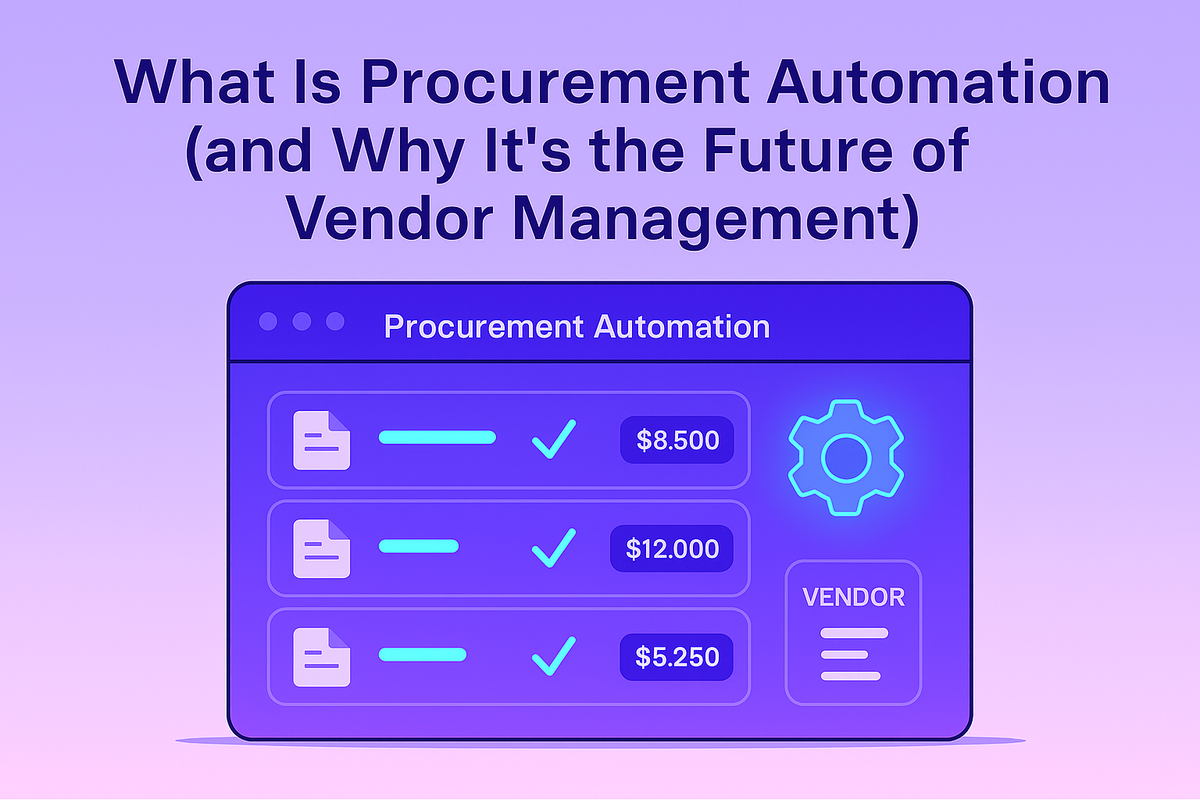
Procurement automation uses software and artificial intelligence to manage the end-to-end procurement process — from vendor discovery and onboarding to purchase orders, contract renewals, and performance tracking.

Instead of relying on spreadsheets and email threads, procurement automation centralizes and automates key workflows, helping teams:
✅ Approve and process purchase orders automatically
✅ Track supplier compliance and risk in real time
✅ Manage invoices and payments with accuracy
✅ Standardize RFP and vendor evaluation workflows
✅ Integrate with ERP, CRM, and accounting systems

Automation doesn’t replace procurement professionals — it frees them from manual admin so they can focus on strategy, relationships, and results.

For a deeper dive into the technology behind this, see how AI Procurement Software is already reshaping how teams evaluate vendors.

The Evolution of Procurement

It wasn't that long ago that procurement was a world of paper trails and overflowing inboxes. Managing suppliers meant juggling spreadsheets, chasing approvals through endless email chains, and physically filing every purchase order and contract. This manual approach wasn't just slow; it was a recipe for errors. Relying on manual processes often leads to inconsistent data, a lack of visibility into spending, and costly mistakes that can strain supplier relationships. The need for a more efficient, transparent, and strategic approach became clear, paving the way for a technological transformation that has reshaped the entire purchasing landscape.

From Manual Processes to Intelligent Systems

The first wave of change came with automation, as technology began to streamline the buying process by handling repetitive tasks like generating purchase orders, routing approvals, and processing payments. This shift freed up valuable time and reduced the chance of human error. Now, we're in the next phase of this evolution: the rise of intelligent systems. Fueled by AI and machine learning, modern procurement platforms are becoming more predictive and strategic. These smart, central systems help businesses adapt to supply chain complexities and make data-driven decisions. This allows procurement teams to move away from tedious administrative work and focus on what truly matters—building strong supplier partnerships and aligning purchasing with broader company goals.

How Procurement Automation Works

Procurement automation platforms combine workflow management, data integration, and AI-driven insights to simplify every stage of the procurement lifecycle.

Here’s how it typically works:

  1. Vendor Sourcing and Onboarding
    The system automatically identifies, qualifies, and verifies vendors — pulling data from third-party databases and compliance sources like SOC 2, ISO 27001, or ESG reports.
  2. RFP and Bid Management
    Tools like RFP software automate request creation, scoring, and proposal evaluation — saving days of manual review.
  3. Purchase Order Automation
    Once vendors are approved, POs are automatically generated, routed for approval, and logged into finance systems with built-in policy checks.
  4. Contract Management
    AI can scan, categorize, and track contracts — flagging expiration dates, non-compliant clauses, and renewal opportunities.
  5. Performance & Spend Analytics
    Dashboards visualize supplier performance, cycle times, and total spend, enabling procurement teams to identify cost savings and optimization opportunities.

The Challenges of Manual Procurement

If you've ever felt like you're drowning in spreadsheets, chasing down approvals via email, and manually entering the same data into multiple systems, you're not alone. Sticking with manual procurement methods in a fast-moving market isn't just inefficient; it creates significant roadblocks that can slow down your entire organization. These outdated processes are often the source of hidden costs, missed opportunities, and a whole lot of frustration for everyone involved. Let's break down some of the biggest hurdles that manual procurement puts in your way.

Time-Consuming Administrative Tasks

Manual procurement is a major time drain. Think about all the steps involved: creating purchase requests, routing them for approval, converting them into purchase orders, and matching invoices. Each step requires someone to physically manage the process, often leading to bottlenecks as documents sit in email inboxes waiting for a signature. Tasks like correcting data entry mistakes or tracking down missing information can slow the entire cycle to a crawl. This administrative burden keeps your team tied up with low-value work, preventing them from focusing on more strategic activities like negotiating better contracts or building stronger supplier relationships.

High Risk of Errors

When humans are responsible for every step, mistakes are bound to happen. A simple typo in a purchase order, an incorrectly matched invoice, or a miscalculation can have a serious ripple effect. These human errors can lead to overpayments, delayed shipments, and compliance issues that put the business at risk. Fixing these mistakes costs even more time and money, and in some cases, they can cause legal or financial trouble during an audit. Without an automated system to validate data and enforce rules, you're constantly exposed to the costly consequences of simple, preventable slip-ups.

Lack of Visibility and Control

Trying to get a clear picture of your company's spending with manual processes is like trying to assemble a puzzle with half the pieces missing. Information is scattered across emails, spreadsheets, and local documents, making it nearly impossible to track spending in real time, monitor supplier performance, or manage budgets effectively. This lack of visibility means you can't make informed decisions quickly. You might not know if you're getting the best prices or if a key supplier is consistently missing deadlines until it's too late to do anything about it.

Inconsistent Processes

Without a centralized system, different departments or even different individuals often develop their own ways of handling procurement. One team might have a rigorous approval process, while another takes a more casual approach. This inconsistency makes it difficult to enforce company policies, manage compliance, and ensure fairness in vendor selection. It also creates confusion and delays, especially during audits when you have to piece together different workflows. Establishing standardized workflows is critical for efficiency and control, but it's incredibly difficult to achieve when everything is done manually.

Strained Supplier Relationships

Your internal inefficiencies have a direct impact on your external partners. When manual processes cause delays in approvals and payments, it frustrates your suppliers and can damage your reputation. In fact, one study found that 27% of companies report that late payments harm their supplier relationships. Good suppliers are valuable assets, and consistently paying them late can lead them to offer less favorable terms or even stop working with you altogether. A smooth, predictable procurement process shows your vendors that you're a reliable partner, strengthening those crucial business relationships.

The Benefits of Procurement Automation

Procurement automation delivers value in three key areas: efficiency, compliance, and insight.

1. Efficiency

  • Reduce manual workloads and processing time by up to 70%.
  • Eliminate bottlenecks with automated routing and approvals.
  • Standardize forms, templates, and data entry.

2. Compliance

  • Maintain audit-ready records for all vendor interactions.
  • Automatically check for security, data protection, and policy compliance — critical for teams managing security questionnaires.

3. Insight

  • Use AI analytics to spot trends, inefficiencies, and high-performing vendors.
  • Forecast demand and budget impact using real-time data.

Increased Efficiency and Faster Cycles

Let’s be honest, manual procurement is slow. It’s buried in spreadsheets, email chains, and endless follow-ups. Automation changes that by taking over the repetitive, time-consuming tasks that create bottlenecks. Instead of manually routing purchase orders for approval or chasing down signatures, the system handles it automatically. This frees up your procurement team to focus on strategic initiatives, like negotiating better contracts and building supplier relationships. The result is a much faster process from start to finish. In fact, implementing procurement automation can cut the time it takes to complete a buying cycle by as much as 50%, allowing your organization to move quicker on critical projects.

Significant Cost Savings

Automation introduces a level of precision to purchasing that directly impacts your bottom line. Automated systems ensure that orders are based on real-time data, such as current inventory levels, production schedules, and actual customer demand. This data-driven approach prevents over-purchasing, which means you’re not tying up capital in excess stock that might not sell. Beyond inventory management, automation reduces costs by minimizing the risk of human error in purchase orders and invoices, which can lead to incorrect payments. It also provides clear visibility into company-wide spending, empowering your team to identify opportunities for consolidation and negotiate better volume discounts with key suppliers.

Improved Supplier Performance and Relationships

A smooth process makes for a happy partnership. Automation creates a transparent and efficient environment for both your team and your suppliers. When communication is clear and centralized within a single platform, misunderstandings and delays become far less common. Suppliers can easily track order statuses, submit invoices correctly, and get paid on time, which builds trust and goodwill. This positive relationship encourages better performance and collaboration. An automated system also makes it easier to track key performance indicators (KPIs), so you can have objective, data-backed conversations with suppliers about their performance and work together to resolve any issues quickly and constructively.

Greater Agility and Scalability

As your business grows, manual procurement processes simply can’t keep up. Relying on people to handle an ever-increasing volume of purchase orders, contracts, and vendor communications inevitably leads to delays and errors. Procurement automation provides the foundation for sustainable growth. An automated system is designed to handle a higher volume of work without requiring a proportional increase in headcount. Whether you’re onboarding ten new suppliers or a hundred, the process remains consistent and efficient. This scalability ensures that your procurement function can support business expansion without becoming a bottleneck, allowing your company to remain agile and responsive to market opportunities.

Enhanced Data Security and Compliance

Managing sensitive vendor information and contracts via email and local spreadsheets is a significant security risk. Procurement automation centralizes all this critical data in a secure, controlled environment. These platforms come with built-in security features, such as role-based access controls, which ensure that employees can only view or approve information relevant to their roles. This protects sensitive financial and supplier data from unauthorized access. Furthermore, every action taken within the system is logged, creating a clear and unchangeable audit trail. This makes it much simpler to demonstrate compliance with internal policies and external regulations, giving you confidence that your procurement process is both secure and fully auditable.

Smarter Risk Management with AI

Traditional risk management is often reactive, addressing problems only after they’ve occurred. By integrating artificial intelligence, procurement automation allows for a more proactive approach. AI algorithms can continuously monitor and analyze vast amounts of data from thousands of sources to identify potential risks before they impact your business. For example, AI can flag a supplier showing signs of financial instability, detect potential compliance issues in a contract, or alert you to geopolitical events that could disrupt your supply chain. This ability to automatically process data and find patterns gives procurement teams the foresight needed to make smarter, less risky decisions and protect the business from unforeseen disruptions.

Procurement Automation vs. AI Procurement Software

While the two are closely related, procurement automation focuses on digitizing and streamlining workflows, while AI procurement software emphasizes intelligence — predictive analytics, risk modeling, and smart decision-making.

Think of it this way:

  • Procurement automation makes the process faster.
  • AI procurement software makes the process smarter.

Together, they turn procurement from a cost center into a competitive advantage.

For a closer look at how AI fits into this ecosystem, read What Is AI Procurement Software.

Why Procurement Teams Are Automating Now

Modern procurement isn’t just about cutting costs — it’s about managing complexity.

With more global vendors, evolving regulations, and decentralized teams, automation ensures nothing falls through the cracks.

Companies adopting procurement automation see:
📈 Faster vendor onboarding and approval cycles
🧾 Cleaner audit trails and compliance documentation
💰 Better visibility into spend and savings
🤝 Stronger relationships between procurement, finance, and legal

This same logic underpins automation across the deal lifecycle — from proposal automation to RFP evaluation.

A Strategic Shift in Supplier Management

Procurement automation does more than just speed up internal tasks; it redefines the entire dynamic between a company and its suppliers. When you reduce manual processing time by as much as 70%, your team’s focus naturally shifts. Instead of getting bogged down in administrative work like chasing purchase orders and verifying invoices, they can invest their time in what really matters: building strong, collaborative partnerships with vendors. This moves supplier management from a purely transactional function to a strategic one, where suppliers are seen as partners in growth rather than just line items on a budget.

This newfound bandwidth directly translates into better relationships. Automation creates a single source of truth, making it easier for everyone to communicate clearly and track progress. When both you and your suppliers can see the same data on orders, payments, and performance, trust grows. This transparency is also critical for managing risk. With automated checks and balances, you can ensure a more stable supply chain, maintain compliance, and proactively address potential issues before they become major problems, fostering a more resilient and collaborative business environment.

Beyond just improving communication, automation provides the data needed to manage supplier performance effectively. Instead of relying on gut feelings, procurement teams can use AI-driven analytics to identify top-performing vendors and spot trends. This data-driven approach allows for more productive, objective conversations about performance and value. It’s the same principle that drives success on the sales side, where teams rely on an AI deal desk to manage complex documents like RFPs and security questionnaires, ensuring they always put their best, most accurate information forward. When both buyers and sellers leverage automation, the entire ecosystem becomes more efficient and strategic.

How to Get Started with Procurement Automation

  1. Audit your current process.
    Map out your existing procurement workflows — approvals, documentation, vendor data — to identify where time and information are being lost.
  2. Choose the right platform.
    Look for a system that integrates with your ERP and offers customizable workflows, vendor scoring, and analytics dashboards.
  3. Start small, automate strategically.
    Begin with low-risk processes like invoice approvals or renewal reminders, then expand to sourcing and contract management.
  4. Centralize vendor data.
    Build a single source of truth for suppliers — linking compliance records, performance scores, and RFP history.
  5. Track results and scale.
    Measure cycle times, savings, and satisfaction to identify ROI — similar to the metrics outlined in The Real Cost of Manual Proposal Work.

Set Clear Goals and Get Leadership Buy-In

Before you start looking at software demos, your first move is to define what success actually looks like for your team. Are you trying to shorten the vendor onboarding cycle from weeks to days? Do you want to improve supplier relationships by ensuring on-time payments? Or is the main goal to get better visibility into company-wide spending? According to research from IBM, setting clear goals is the foundation for any successful automation project. Having specific, measurable objectives gives you a clear business case to present to leadership, making it much easier to secure the budget and resources you need to move forward.

Standardize Your Processes First

It’s tempting to jump straight into new software, but automating a messy process only creates faster chaos. Take the time to map out and standardize your current procurement workflows first. This means creating a single, consistent way to handle tasks like submitting purchase requests, vetting new vendors, or managing contracts. As the Chartered Institute of Procurement & Supply (CIPS) points out, standardization makes any new system easier to use and helps ensure compliance across the board. By cleaning up your processes before you automate, you build a solid foundation for efficiency and give your new tools the best chance to succeed.

Involve Key Stakeholders Early

Procurement automation isn’t just an IT or finance initiative; it impacts everyone who buys something for the company. That’s why it’s so important to involve key stakeholders from different departments—like legal, operations, and marketing—from the very beginning. Bringing these teams into the planning process ensures the final system meets everyone’s needs, not just the procurement team’s. This collaborative approach helps you identify potential roadblocks early on and builds a sense of shared ownership, which dramatically increases the likelihood that people will actually adopt and use the new system once it’s live.

Choose the Right Software for Your Needs

With your goals defined and processes standardized, you can start evaluating software. The key is to find a platform that fits your unique needs and integrates smoothly with the systems you already use, like your ERP or CRM. Look for a solution that is flexible enough to handle your specific workflows, whether that’s managing complex RFPs or automating invoice approvals. Just as sales teams rely on an AI deal desk to intelligently respond to these requests, your procurement team needs a tool that brings the same level of efficiency to the other side of the table.

Provide Thorough Training and Support

The work isn’t over once the software is implemented. To get the most out of your investment, you need to invest in training your team. This goes beyond just showing them which buttons to click. Explain the "why" behind the change and how the new system will make their jobs easier. Create a plan for ongoing support, whether that’s through a dedicated help desk, office hours, or a library of training resources. Preparing employees for their new roles and giving them the tools to succeed is essential for driving long-term adoption and realizing the full benefits of automation.

The Human Side of Procurement Automation

Automation isn’t about removing people from procurement — it’s about removing the friction that prevents them from doing their best work.

While systems handle routing, approvals, and reminders, procurement professionals focus on what really matters: building relationships, negotiating value, and improving strategy.

That balance — automation for efficiency, humans for judgment — is the same philosophy driving proposal automation and PreSales automation.

How to Measure the Success of Procurement Automation

While reducing costs is a huge win, it’s only one piece of the puzzle. True success in procurement automation comes from looking at the bigger picture. Think about the value it delivers across three core areas: efficiency, compliance, and strategic insight. Measuring these aspects gives you a complete understanding of your return on investment. It helps you see not just how much money you're saving, but how much time you're getting back, how much risk you're avoiding, and how much smarter your purchasing decisions have become. This holistic view is what builds a strong business case for continued investment in automation.

Key Metrics to Track Beyond Cost Savings

Once you start looking beyond the bottom line, you'll find several powerful metrics that reveal the true impact of automation. A great place to start is by measuring procurement cycle time. How long does it take to move from a purchase request to an approved order? Shorter cycle times mean your teams get what they need faster, keeping projects on track. You can also track your compliance rate. Automation enforces rules automatically, so you should see a significant drop in non-compliant spending. This ensures you maintain audit-ready records for all vendor interactions, which is a massive win for governance and risk management.

Next, focus on supplier performance. Dashboards can help you visualize key metrics like on-time delivery, order accuracy, and responsiveness, turning supplier management into a data-driven strategy. Finally, don’t forget about the human element. Tracking user adoption and satisfaction across procurement, finance, and legal is crucial. When your teams feel empowered by a tool instead of burdened by it, you know you’ve found a solution that truly works. Stronger relationships between these departments are often a direct result of smoother, more transparent automated workflows.

Final Thoughts

Procurement automation is more than a digital upgrade — it’s a mindset shift.

By replacing manual oversight with intelligent systems, organizations gain agility, visibility, and trust at scale.

In an era defined by data, compliance, and collaboration, the companies that automate procurement today will lead the next generation of efficiency tomorrow.

Related Articles

Frequently Asked Questions

Will procurement automation replace our procurement team? Not at all. The goal isn't to replace people but to get rid of the tedious, repetitive tasks that keep them from doing their best work. Think of it as giving your team a major upgrade. When software handles the administrative burden of chasing approvals and matching invoices, your procurement professionals can focus their expertise on strategic work like negotiating better contracts, building strong supplier relationships, and analyzing spending to find new opportunities.

We're a small business. Is this kind of automation too complex for us? That's a common concern, but automation is valuable for businesses of all sizes. In fact, smaller teams often benefit the most because every minute saved on administrative work is a minute that can be spent on growing the business. Many modern platforms are scalable and can be tailored to your specific needs. You can start by automating a single, high-friction process, like purchase order approvals, and expand from there as you grow.

What's the single most important first step to get started? Before you even look at software, take a clear-eyed look at your current process. Map out how a purchase request moves through your organization from start to finish. This simple exercise will immediately show you where the bottlenecks, delays, and frustrations are. Once you identify your biggest pain points, you'll have a much clearer idea of what you need a new system to solve.

How is this different from just using shared spreadsheets or project management tools? While spreadsheets are great for many things, they create information silos. Data is scattered, it's hard to track changes, and there's no real-time visibility into spending or compliance. A dedicated procurement automation platform acts as a single source of truth. It centralizes all vendor data, creates an unchangeable audit trail for every action, and enforces your company's purchasing rules automatically, which is something a spreadsheet simply can't do.

How does automation actually improve supplier relationships? A smooth, predictable process is the foundation of any good partnership. When your internal system is efficient, your suppliers benefit directly. They can submit invoices to a centralized place, track the status of their payments, and get paid on time without having to chase anyone down. This reliability shows that you're an organized and trustworthy partner, which builds goodwill and encourages them to offer you their best service and terms.

Key Takeaways

  • Focus on Strategy, Not Spreadsheets: By automating repetitive tasks like purchase orders and invoice matching, you empower your procurement team to shift their focus from low-value administrative work to high-impact activities like vendor negotiation and relationship management.
  • Create a Single Source of Truth: Centralizing your procurement process in one system provides complete visibility into spending, reduces costly human errors, and creates a secure, audit-ready trail for every transaction.
  • Automate Your Process, Not Your Problems: The most successful automation projects start by first mapping and standardizing existing workflows. A clear process ensures your new software enhances efficiency rather than simply making a chaotic system run faster.
Share this post