
Proposal Define: A Simple Guide to What It Is
March 27, 2026
By
Evie Secilmis
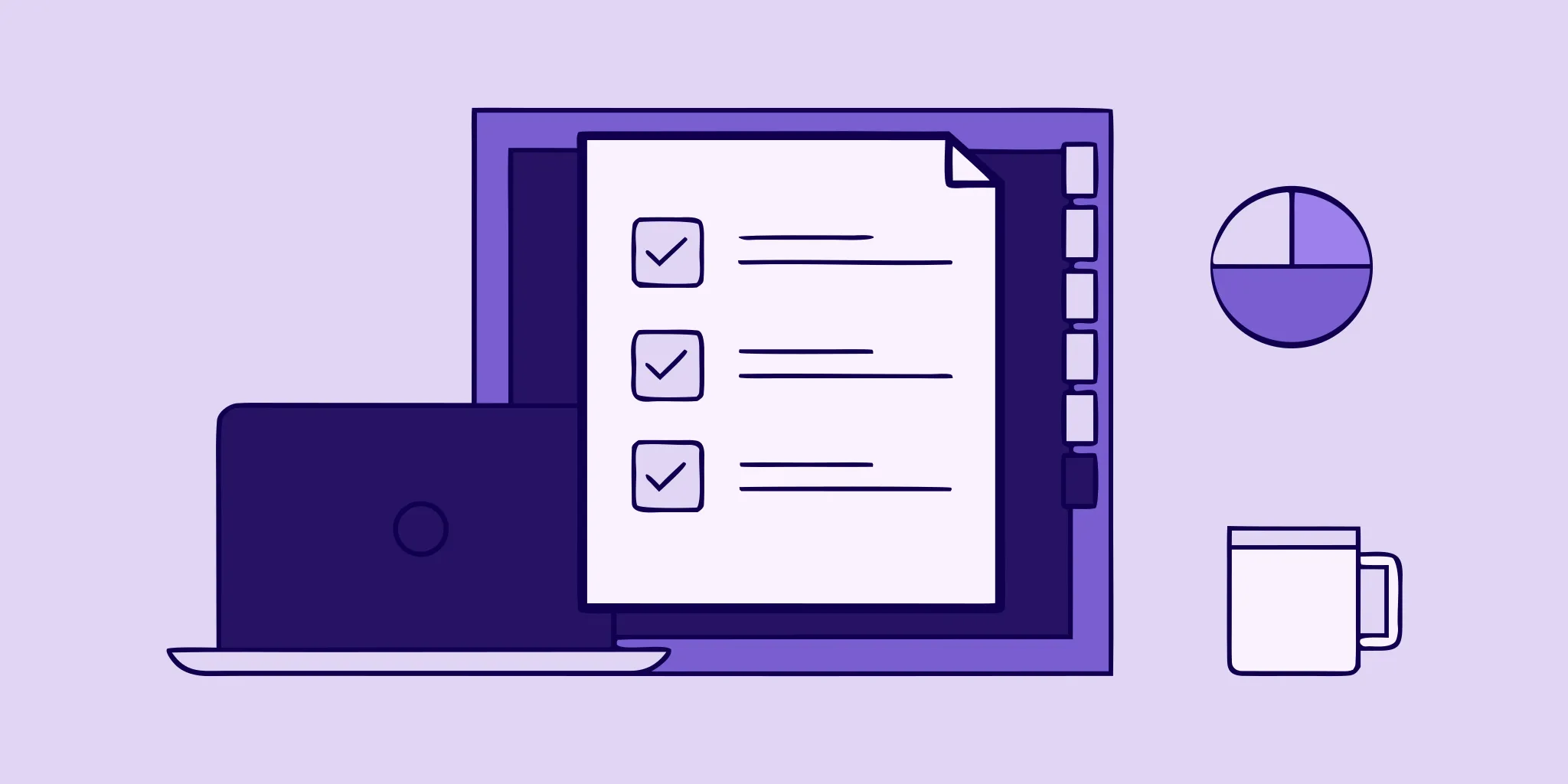

Let’s be honest: writing proposals can feel like a chore. You’re trying to pull information from multiple teams, ensure everything is accurate, and make it all sound compelling before a deadline hits. It’s a high-stakes process that often feels rushed and repetitive. But what if you could reframe it? A proposal isn’t just paperwork; it’s a critical piece of business strategy that sets the foundation for your entire client relationship. It clarifies scope, manages risk, and aligns everyone involved. To unlock its full potential, we must first proposal define it as more than an obligation. It’s an opportunity to prove your value and build lasting partnerships from the ground up.
Key Takeaways
- Focus on their problem, not just your product: The most persuasive proposals demonstrate a deep understanding of the client's specific challenges. Tailor every section to their needs to show you're a strategic partner, not just another vendor.
- Build a clear and logical argument: A winning proposal guides the reader from their current pain points to your ideal solution. A strong structure, from the executive summary to the call to action, makes your case compelling and easy to approve.
- Use the right tools to improve your process: Proposal software helps you automate content, collaborate without version control headaches, and gain valuable insights. This frees up your team to focus on the strategic work that actually closes deals.
What Is a Proposal?
At its core, a proposal is a suggestion you put forward for others to consider. While that sounds simple, in the business world, it’s a powerful and essential tool. Think of it as the bridge between a promising conversation and a signed contract. It’s a formal document where you lay out a plan, present an idea, or offer a solution to a specific problem. This isn't just a price list or a brochure; it's a persuasive argument tailored to your audience’s needs, showing them not just what you can do, but why you're the right partner for them.
Whether you're responding to a formal Request for Proposal (RFP) or proactively pitching a new project, the document you create is your chance to make a strong impression. It demonstrates your understanding of the client's challenges and showcases your expertise. A well-written proposal shows that you’ve done your homework and are prepared to deliver real value. It formalizes your offer, outlines the scope of work, and sets clear expectations for everyone involved. It’s your opportunity to control the narrative and frame the conversation around the value you bring. Ultimately, it’s the document that can turn a potential lead into your next big client, making it one of the most critical pieces of your sales cycle.
Key Elements of Every Proposal
A winning proposal does more than just outline your services; it tells a compelling story that centers on the client. It needs to show that you’ve been listening and that you understand their world. A truly effective proposal summarizes the client's problems, highlights your deep understanding of their needs, and positions your company as the ideal solution. For example, instead of just listing features, you can connect them directly to a pain point by saying, "To help your team reclaim time, our solution centralizes content and removes version confusion." This approach transforms your proposal from a simple sales pitch into a strategic plan for their success, making it much more persuasive.
The Main Goal of a Proposal
While a proposal presents a plan or an idea, its main goal is to persuade the reader to make a decision. It’s a formal suggestion designed for people to "think about and decide upon," and in business, you want that decision to be a resounding "yes." The ultimate objective is to convince a potential client that your solution is the best choice to solve their problem, leading them to take a specific action. This action could be signing a contract, approving a project budget, or forming a partnership. A strong proposal builds trust, clearly communicates value, and makes it easy for the decision-maker to move forward with you. It’s all about turning your suggestion into an agreement.
What Are the Different Types of Proposals?
The word "proposal" gets used in a lot of different contexts, and it’s not a one-size-fits-all document. Depending on your industry and your specific goal, the type of proposal you write will change quite a bit. Think of it like this: you wouldn't wear hiking boots to a wedding, and you wouldn't write a research proposal to land a sales deal. Understanding the key differences helps you tailor your document perfectly to your audience and what they need to hear. Let's break down the four main types you're likely to encounter.
Business Proposals
This is probably the type you're most familiar with. A business proposal is a sales document designed to persuade a potential client to buy your product or service. It’s your chance to show you understand their problem and that you have the perfect solution. This document outlines exactly what you're offering, how it benefits the client, and what the costs will be. Whether you're responding to a formal Request for Proposal (RFP) or sending an unsolicited pitch, the goal is the same: to win new business. A well-crafted sales proposal is direct, persuasive, and focused on closing the deal.
Research Proposals
If you work in academia, science, or another research-heavy field, this is your go-to. A research proposal is a detailed plan that lays out a potential research project. You're not selling a product; you're making a case for a study. This document outlines your research questions, objectives, methodology, and why the work is significant. It's typically submitted to an academic institution or a funding agency to get approval or secure the financial backing needed to move forward. The focus here is on rigor, feasibility, and the potential contribution of the case study approach or other research methods.
Project Proposals
A project proposal serves as the roadmap for a specific project. It can be used internally to get buy-in from leadership or externally to outline work for a client. This document clearly defines the project's scope, objectives, timeline, and deliverables. It’s less about selling a general service and more about defining the "what, why, and how" of a particular undertaking. Think of it as the foundational document that ensures everyone is on the same page before work begins. You can find great proposal examples that show how to structure everything from the initial problem to the final budget.
Grant Proposals
When you need funding from a foundation, government agency, or corporation, you’ll write a grant proposal. This is a formal request for money to support a project that aligns with the funder's mission. Your proposal needs to make a compelling case for why your project deserves their investment. It will detail the problem you're addressing, your proposed solution, your organization's qualifications, and a clear budget showing how the funds will be used. Success often depends on avoiding common grant writing mistakes and demonstrating a powerful impact.
What Are the Essential Parts of a Strong Proposal?
Think of a strong proposal as a well-told story. It has a clear beginning, a compelling middle, and a satisfying end that prompts action. While the specifics might change depending on the project or client, the fundamental structure remains the same. Getting these core components right is what separates a proposal that gets a quick "yes" from one that ends up at the bottom of the pile.
Each section builds on the last, creating a logical and persuasive argument that guides your reader from their current problem to your ideal solution. A winning proposal isn't just a document; it's a roadmap that shows you understand the client's needs and have a clear plan to meet them. We'll walk through the five essential parts that form the backbone of any proposal that gets results: the executive summary, the problem statement, your methodology, the timeline and budget, and a powerful call to action. Mastering these elements will help you create documents that not only look professional but also effectively communicate your value and close more deals.
The Executive Summary and Introduction
This is your proposal’s first impression, and it needs to be a great one. The executive summary is a concise overview of the entire document, designed to grab your reader's attention immediately. It should briefly touch on the client's main challenge, your proposed solution, and the key outcomes they can expect. A well-crafted proposal summarizes the client's problems, shows you understand their needs, and positions your company as the perfect partner.
Even though it appears first, it’s often best to write this section last. That way, you can be sure it accurately reflects all the important details you’ve laid out in the rest of the document. Keep it short, powerful, and focused on the value you deliver.
The Problem Statement and Your Objectives
This is where you show the client you’ve been listening. The problem statement section is dedicated to clearly and empathetically articulating the challenges they’re facing. Instead of jumping straight into what your product does, focus on their pain points. For example, you might state, "To help your team reclaim time, our solution centralizes content and removes version confusion." This approach connects their problem directly to your solution.
Once you’ve defined the problem, your objectives should outline the specific, measurable goals you plan to achieve. Think of them as the tangible results that will solve the problem you just described. This demonstrates a deep understanding of their needs and sets the stage for you to present your solution.
Your Methodology and Approach
After defining the "what" and "why," this section explains the "how." Your methodology outlines the specific steps and strategies you'll use to deliver on your promises. It’s your chance to showcase your expertise and build confidence in your ability to get the job done. Tell a clear story that explains your process, justifying why your approach is the most effective one.
Remember, the people reviewing your proposal might not be experts in your field, so avoid jargon and keep the language straightforward. Break down your plan into logical phases or milestones to make it easy to follow. A clear, well-thought-out approach shows that you’re not just capable but also organized and reliable, making it easier for the client to trust you with their business.
The Timeline and Budget
This is where your proposal gets real. A clear timeline sets expectations by outlining key phases, deliverables, and deadlines. It shows the client exactly what to expect and when, which helps build trust and demonstrates your commitment to a structured process. Using a visual aid, like a simple chart, can make your timeline even more accessible and professional.
Alongside the timeline, a detailed budget provides financial clarity. Break down all associated costs so the client understands exactly what they’re paying for. A realistic, well-planned budget shows you’ve done your homework and respect their investment. Transparency here is key to avoiding confusion and proving that your solution offers excellent value.
Your Conclusion and Call to Action
Don’t let a strong proposal fizzle out at the end. Your conclusion should be a brief, confident summary of the proposal's key points, reinforcing the main benefits and reminding the reader why you are the best choice. Reiterate the value you bring to the table and leave them with a positive final impression.
Most importantly, you need a clear and direct call to action (CTA). Tell the reader exactly what you want them to do next. Whether it’s "Click here to accept the proposal," "Schedule a follow-up call," or "Sign the agreement below," make the next step simple and obvious. A compelling call to action turns your proposal from a piece of information into a tool for closing the deal.
How to Write a Proposal That Wins
Knowing the essential parts of a proposal is one thing; putting them together to create a winning document is another. It’s about more than just filling in the blanks. A great proposal connects with the reader, builds trust, and makes it easy for them to say "yes." It shows you’ve done your homework and genuinely understand how to solve their problem. Let’s walk through the steps that will make your proposal stand out from the stack and get you closer to a signed deal.
Research Your Audience
Before you write a single word, you need to understand who you're writing for. A generic, one-size-fits-all proposal rarely works. Take the time to research the company, the specific people who will be reading your document, and their industry. What are their biggest challenges? What goals are they trying to achieve? A deep understanding of their needs allows you to tailor every section of your proposal to address their specific pain points. This shows you’ve put in the effort and aren’t just sending another template. When your proposal speaks directly to their situation, it instantly becomes more relevant and compelling.
Structure Your Argument
Think of your proposal as a persuasive story. It needs a clear beginning, middle, and end that guides the reader to a logical conclusion: choosing you. Start by summarizing their problem to show you’ve been listening. Then, present your solution, connecting each feature or service directly to a need you identified in your research. A well-crafted proposal clearly outlines the client's challenges and positions your company as the ideal partner to solve them. This structure makes your argument easy to follow and helps build the reader's confidence in your ability to deliver on your promises.
Use Clear and Persuasive Language
Your proposal should be easy to read and understand. Avoid industry jargon or overly technical terms that might confuse your audience. Instead, use clear, direct language that focuses on the benefits and value you provide. A great sales proposal does more than list facts; it demonstrates empathy and a true grasp of the client's pain points. Frame your solution in terms of how it will make their job easier, save them money, or help them reach their goals. This persuasive approach helps the prospect visualize a successful partnership and makes your offer much more attractive.
Include Supporting Evidence
Making claims is easy, but proving them is what builds trust. Back up your statements with concrete evidence to show you can deliver on your promises. This is where things like testimonials, data, and success stories come in. You should always include relevant case studies with your proposals, especially when you’re approaching new leads who aren’t familiar with your work. This supporting evidence acts as social proof, demonstrating your experience and past successes. It gives the client tangible proof that you’re a reliable choice, which can be the deciding factor that helps you win the deal.
Common Proposal Writing Mistakes to Avoid
Even with a solid understanding of what a proposal is, it’s easy to make mistakes, especially when you’re up against a tight deadline. These common errors can weaken your argument and reduce your chances of success. The good news is that they are entirely avoidable. By being mindful of these potential pitfalls, you can ensure your proposal is polished, persuasive, and perfectly positioned to win over your audience.
Think of this as a checklist for your final review. Before you hit send, run through these points to catch any issues that might be holding your proposal back. Avoiding these mistakes will help your key messages stand out and demonstrate a level of professionalism that clients and stakeholders will notice. It’s not about writing a perfect document on the first try; it’s about refining your process to consistently produce high-quality proposals that get results.
Generic Content That Lacks Personalization
We’ve all received a generic sales email and immediately hit delete. The same principle applies to proposals. Submitting a one-size-fits-all document is one of the fastest ways to get rejected because it tells the client you haven’t taken the time to understand their specific situation. Personalization is about more than just swapping out a company name. It means tailoring your language, examples, and solutions to the client’s unique challenges and goals. Including relevant case studies or data points that speak directly to their industry shows you’ve done your homework. This effort proves you’re not just a vendor; you’re a potential partner invested in their success.
A Weak or Unclear Executive Summary
The executive summary is your proposal’s first impression, and you only get one chance to make it count. If it’s vague, confusing, or fails to grab the reader’s attention, they may not bother reading the rest of your carefully crafted document. A strong summary doesn’t just state what you’re offering; it tells a compelling story. A good proposal should clearly state the problem and justify why your solution is necessary. Think of it as the highlight reel that convinces the reader your proposal is worth their time. It should be concise, clear, and focused on the most critical information, setting the stage for the detailed solution you provide later.
Failing to Address the Client's Needs
This is perhaps the most critical mistake of all. A proposal is not a brochure for your company; it’s a direct response to a client’s problem. If your document is filled with information about your company’s history and accolades but barely touches on the client’s specific pain points, you’ve missed the mark. The most effective proposals are client-centric. They demonstrate a deep understanding of the challenges the client is facing and present your services as the ideal solution. A well-crafted proposal summarizes the client's problems and highlights the vital elements of your plan to solve them, making it clear that you are the right choice.
Poor Formatting and Presentation
You could have the most brilliant solution in the world, but if your proposal is a messy, unorganized wall of text, it will be difficult for the reader to appreciate it. Poor formatting, typos, and inconsistent branding reflect badly on your organization and suggest a lack of attention to detail. A clean, professional presentation makes your proposal easier to read and digest. Use clear headings, bullet points, white space, and visuals to break up text and guide the reader through your argument. Mastering the proposal management process gives your organization a powerful edge, and that includes delivering a polished final document that is as impressive as the ideas within it.
Why Proposals Are Crucial for Your Business
It’s easy to think of proposals as just another step in the sales process, a document you have to create to get a signature. But they’re so much more than that. A well-crafted proposal is a strategic tool that does heavy lifting for your business long before a deal is closed. It’s your first real opportunity to demonstrate your competence, build trust, and set the stage for a successful partnership. Think of it as the blueprint for your future relationship with a client.
When you create a thoughtful proposal, you’re not just listing services and prices. You’re showing the client you’ve listened to their problems and have a clear, actionable plan to solve them. This document becomes the foundation for everything that follows. It clarifies expectations, outlines the scope of work, and provides a single source of truth that both your team and the client can refer back to. The effort you put into your proposals directly impacts your win rates, project success, and client satisfaction. Recognizing their importance is the first step toward improving how you create them, and the benefits of a streamlined process touch every part of your sales cycle.
They Guide Decision-Making
A great proposal makes it easy for a client to say yes. It cuts through the noise and gives stakeholders a clear path forward. At its core, a proposal is a formal plan that outlines a course of action, helping everyone involved make informed decisions. Instead of leaving clients to connect the dots, you’re handing them a complete picture of what success looks like and how your team will get them there.
This clarity is invaluable. When decision-makers have a document that clearly defines the problem, presents a compelling solution, and details the expected outcomes, their confidence grows. They aren’t just buying a product or service; they are buying a predictable result. Your proposal becomes their justification for choosing you over the competition.
They Help with Planning and Risk Mitigation
The process of writing a proposal forces you to think critically about the project from every angle. It’s your chance to anticipate challenges before they become problems. A strong proposal articulates the issue at hand and justifies the need for the project, which is essential for effective planning and risk management. By identifying potential hurdles and outlining your strategies to overcome them, you demonstrate foresight and expertise.
This proactive approach shows a potential client that you’re not just a vendor but a true partner invested in their success. You’re proving that you’ve thought through the details and are prepared for the complexities of the project. This builds a deep level of trust and sets a collaborative tone for the entire engagement, assuring the client that their project is in capable hands.
They Align Your Team and Stakeholders
A proposal is the ultimate alignment tool. It ensures everyone, from your internal team to the client’s stakeholders, is on the same page from day one. A systematic approach to preparing and tracking proposals ensures all team members are aligned with the project goals. This document serves as the definitive guide for what needs to be done, who is responsible, and what the expected timeline and deliverables are.
This shared understanding is critical for preventing scope creep and miscommunication down the line. When everyone is working from the same playbook, collaboration becomes much smoother. Using a centralized AI deal desk can further simplify this process, making sure your entire team contributes to a consistent and compelling final document that keeps everyone moving in the same direction.
How Proposal Software Streamlines Your Writing
If you’ve ever felt like you’re reinventing the wheel with every new proposal, you’re not alone. The process of gathering information, writing, editing, and getting approvals can be incredibly time-consuming. This is where proposal software comes in. It’s designed to handle the repetitive, administrative parts of proposal creation so your team can focus on strategy and crafting a message that truly connects with the client.
Think of it as a central command center for all your proposals. Instead of digging through old files or chasing down subject matter experts for the latest product specs, everything you need is organized in one place. An AI deal desk solution can automatically pull in the most accurate, up-to-date answers for questionnaires and RFPs, drastically cutting down the time it takes to create a first draft. This allows your team to spend less time on busywork and more time personalizing your proposal to meet the client’s specific needs, which is key to standing out and winning the deal.
Automate Content Generation with Templates
One of the biggest time-savers in proposal software is the ability to use templates. Instead of starting with a blank page, you can begin with a pre-designed, pre-approved document that already includes your branding, standard legal language, and company information. This creates a structured process for building bids, ensuring every proposal that goes out the door is consistent and professional. Your team can quickly assemble proposals by pulling from a library of approved content, making sure your messaging is always on point. This not only speeds things up but also reduces the risk of errors from copying and pasting old information.
Simplify Collaboration and Version Control
We’ve all been stuck in the nightmare of emailing documents back and forth. With file names like "Proposal_v3_final_JohnsEdits_FINAL," it’s nearly impossible to know which version is the most current. Proposal software solves this by providing a single, centralized platform for collaboration. Your team, including sales, legal, and technical experts, can all work on the document at the same time. You can leave comments, assign tasks, and see a clear history of all changes. This efficient proposal process eliminates confusion and ensures everyone is literally on the same page, leading to a stronger, more cohesive final document.
Track Performance and Gain Insights
After you hit "send," the waiting game begins. But with proposal software, you’re not left in the dark. These tools offer powerful analytics that give you insight into how your client is interacting with the proposal. You can see when they open it, which sections they read most carefully, and how long they spend on each page. This information is incredibly valuable for your follow-up strategy, allowing you to tailor your conversation to the parts they’re most interested in. Over time, you can analyze this data across all your proposals to understand what content leads to higher win rates and refine your approach for future bids.
Related Articles
- How to Write a Company Proposal That Wins Deals | Iris AI
- How to Write a Proposal About Writing That Wins | Iris AI
- Iris Blog - How to Write Winning Proposals That Close Deals
- What is Proposal Writing? A Complete Guide | Iris AI
Frequently Asked Questions
What's the single most important part of a proposal? While every section is important, the part that truly makes or breaks your proposal is the problem statement. This is where you prove you've listened to the client and deeply understand their challenges. If you can't clearly articulate their problem from their perspective, your solution, no matter how brilliant, will fall flat. Everything else in the document should connect back to solving the specific issues you outline here.
How long should my proposal be? There's no magic number for page count. The right length is just long enough to be thorough and persuasive without overwhelming your reader. A simple project might only need a few pages, while a complex RFP response could be much longer. Focus on clarity and value instead of length. Make sure every sentence serves a purpose and helps guide the client toward a decision.
Is it okay to use a template for my proposals? Absolutely, and you should. Templates are fantastic for ensuring consistency, including standard company information, and speeding up your process. The key is to treat the template as a starting point, not the final product. The core of your proposal, like the executive summary, problem statement, and proposed solution, must be completely personalized for each client to show you've done your homework.
What's the difference between a proposal and a quote? A quote simply lists prices for products or services. It's a financial document that answers the question, "How much does this cost?" A proposal, on the other hand, is a persuasive sales document. It tells a story by identifying a client's problem, presenting a tailored solution, and explaining the value and return on their investment. It answers the question, "Why should I choose you to solve my problem?"
My proposals aren't getting responses. What am I doing wrong? A lack of response often points to one of a few common issues. First, check your executive summary. If it isn't compelling, your reader may not continue. Second, be honest about your level of personalization; if the proposal feels generic, it won't connect with the client's specific needs. Finally, review your call to action. If you haven't made it perfectly clear what the next step is, your reader might not know what to do.
Share this post
Link copied!







_EasiestToDoBusinessWith_EaseOfDoingBusinessWith.svg)
_HighPerformer_HighPerformer.svg)



_BestSupport_QualityOfSupport.svg)


