
The Essential Guide to Sourcing and Procurement
February 27, 2026
By
Evie Secilmis
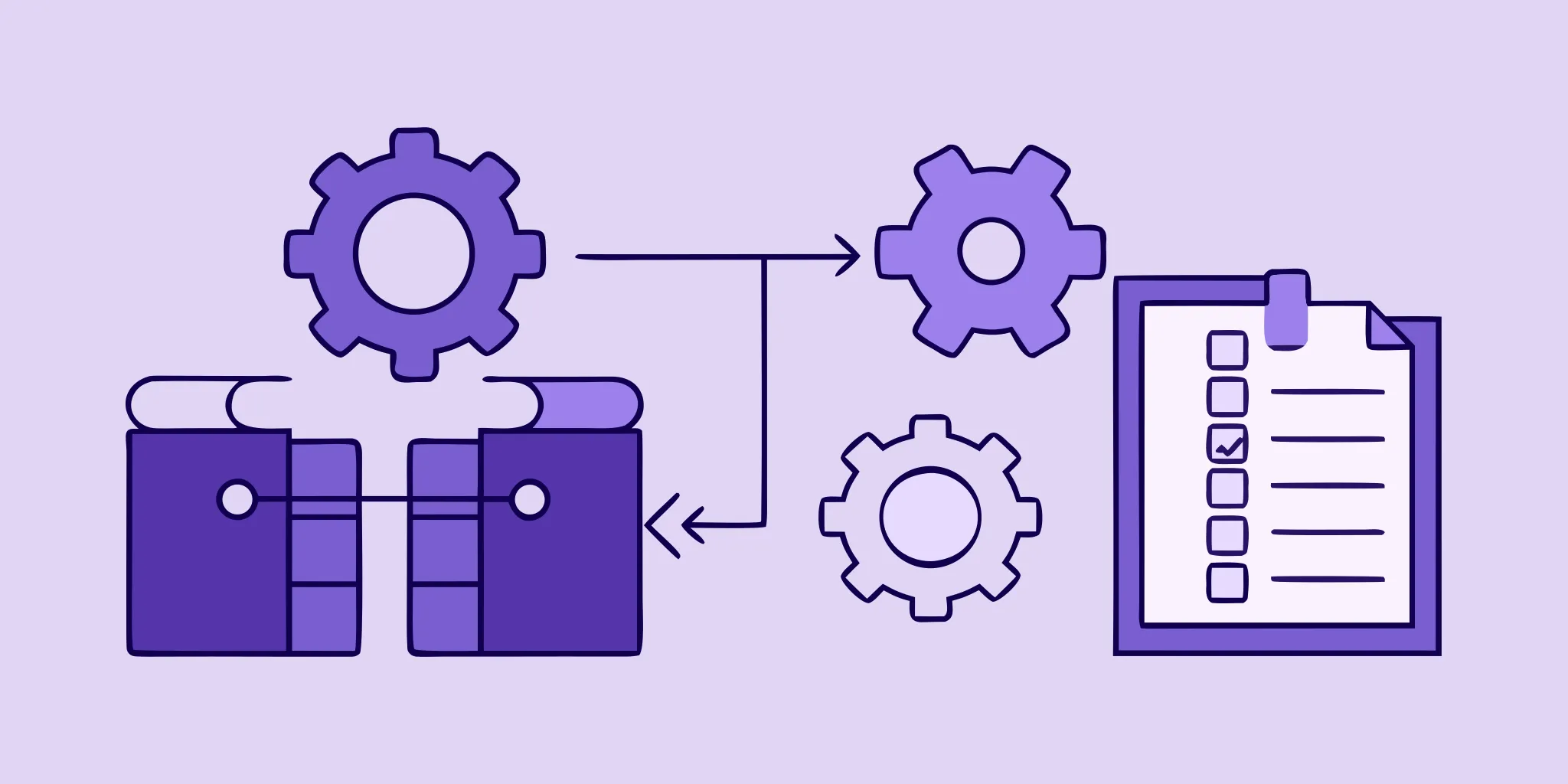

Let's talk about sourcing and procurement. Think of it like planning a road trip. First, you do the strategic work: researching destinations, comparing routes, and finding the best car. That’s sourcing. Then, you handle the day-to-day tasks of the trip itself, like buying gas and booking hotels. That’s procurement. In business, this distinction is crucial. Sourcing is finding and vetting the best partners. Procurement is the tactical process of buying from them. Getting this sourcing and procurement process right makes everything more efficient and powerful.
Key Takeaways
- Sourcing is the strategy, procurement is the action: Sourcing is the proactive work of finding and vetting the best long-term suppliers. Procurement is the broader, operational process of purchasing everything your company needs, from creating orders to managing payments.
- Unite your teams for better results: These two functions are most powerful when they work together. Create a collaborative workflow where sourcing’s market research and procurement’s performance feedback inform each other, leading to smarter, more cohesive decisions.
- Make it a strategic advantage, not just a cost center: A modern approach to sourcing and procurement does more than save money. It minimizes operational risk, strengthens supplier relationships, and uses data to drive continuous improvement, giving your business a real competitive edge.
Sourcing vs. Procurement: What's the Difference?
If you work in sales or business operations, you’ve probably heard the terms “sourcing” and “procurement” used interchangeably. While they’re closely related, they aren’t the same thing. Understanding the distinction is key to building a stronger, more efficient supply chain and ultimately, a healthier bottom line. Think of sourcing as a specific, strategic activity, while procurement is the entire overarching process. Let’s break down what each one involves and how they fit together.
First Up: What Is Sourcing?
Sourcing is the deep-dive research phase. It’s the process of finding, vetting, and selecting the best possible suppliers for the goods or services your company needs. This is where you do your homework, evaluating potential partners based on critical factors like quality, cost, and reliability. Sourcing is a strategic function that comes first. It involves identifying potential suppliers, running them through a rigorous evaluation process, and choosing the ones that align best with your company’s long-term goals. It’s all about building a strong foundation for your supply chain.
Next: What Is Procurement?
Procurement is the big picture. It’s the complete, end-to-end process of acquiring everything your company needs to operate. This comprehensive function includes sourcing as one of its key stages, but it doesn’t stop there. The full procurement lifecycle covers everything from identifying a need and creating a purchase order to negotiating contracts, making payments, and managing supplier relationships after the deal is done. Essentially, procurement handles the entire journey of getting goods and services from an external source into your business.
And Where Does Purchasing Fit In?
So, if sourcing is the strategy and procurement is the overall process, purchasing is the specific action of buying. Going back to our road trip example, purchasing is the moment you hand over your credit card to pay for gas or click “confirm” on a hotel booking. It’s the transactional part of the equation, covering the day-to-day tasks of creating purchase orders, processing invoices, and handling payments. Purchasing is a critical step within the larger procurement framework. While procurement manages the entire lifecycle, purchasing is laser-focused on the execution of a single transaction, often with the goal of securing a lower cost and faster delivery. It’s the tactical move that makes the strategic vision a reality.
The Main Differences in a Nutshell
While sourcing is a part of procurement, their focus and goals are different. Sourcing is proactive and strategic, while procurement is a broader function that includes both strategic and transactional tasks.
Here’s a quick rundown of the main distinctions:
- Scope: Sourcing focuses on finding and vetting suppliers. Procurement covers the entire purchasing process, from needs assessment to final payment and relationship management.
- Goals: Sourcing aims to create long-term value by finding the best partners. Procurement often focuses on fulfilling immediate needs efficiently and managing costs.
- Timeline: Because it’s a strategic process, sourcing can take months or even years. Procurement activities, like placing an order, are much faster and can be completed in days or weeks.
How Do the Sourcing and Procurement Processes Work?
While sourcing and procurement work hand-in-hand, their day-to-day functions are quite different. Sourcing is the strategic groundwork, focused on finding the right partners. Procurement is the tactical process of actually buying what your company needs from those partners. Understanding how each process unfolds helps clarify their distinct roles and how they contribute to your company’s success. Let's walk through what each process looks like in action.
The Four Pillars of a Strong Sourcing Strategy
A truly effective sourcing strategy isn’t just a one-time project; it’s a framework built on four essential pillars. When these elements work in harmony, they create a strong foundation for your entire supply chain and drive long-term value. Think of it as building a house—each pillar is critical for stability and success. Here’s what you need to focus on:
- Deep Market Research: This is the homework phase. Before you can find the right partners, you need to understand the landscape. This involves identifying potential suppliers, analyzing market trends, and getting a clear picture of what’s available so you can make informed decisions from the start.
- Rigorous Supplier Vetting: Once you have a list of potential suppliers, it’s time to dig deeper. A thorough vetting process goes beyond just comparing prices. You need to evaluate partners on critical factors like quality, financial stability, reliability, and how well their values align with your company’s long-term goals.
- Strategic Goal Alignment: Every sourcing decision should be a strategic one. This means ensuring that the suppliers you choose and the contracts you negotiate directly support your company’s broader objectives. Your sourcing strategy should be a tool that helps you achieve your biggest business goals.
- Continuous Improvement: The best strategies are dynamic. It’s crucial to regularly review supplier performance, gather feedback, and use that data to make smarter, more cohesive decisions over time. This creates a cycle of improvement that strengthens partnerships and minimizes risk.
Your Guide to the Sourcing Process
Think of sourcing as the research and relationship-building phase. It’s the proactive work your team does to find, evaluate, and select the best possible suppliers for goods or services. This isn't just about finding the cheapest option. The goal is to find reliable partners who deliver quality on time. The process generally involves looking for potential suppliers, checking them out thoroughly, and then negotiating prices and terms. Once you’ve found the right fit, you’ll work on setting up contracts that lay the foundation for a strong business relationship.
A 7-Step Framework for Strategic Sourcing
To make the sourcing process less of a guessing game and more of a science, many companies follow a structured framework. This approach keeps everything organized and ensures that decisions are based on solid data, not just gut feelings. A common and effective model breaks the process down into seven manageable steps, which helps you compare apples to apples when evaluating suppliers and builds a foundation for strong, long-term partnerships. Following a plan like this transforms sourcing from a simple task into a strategic advantage for your business. Here’s a look at the key stages:
- Identify Opportunities: Start by analyzing your company’s spending to find areas where you can save money or improve quality.
- Develop a Category Profile: Get a clear picture of what you’re buying, who the key suppliers are, and what the market looks like.
- Create a Strategy: Based on your research, build a plan for how you’ll approach the market and engage with suppliers.
- Set Selection Factors: Decide on the specific criteria you’ll use to evaluate potential partners, like price, quality, and delivery speed.
- Conduct an RFx or Auction: This is where you formally request proposals (RFPs) or bids from suppliers to see what they can offer.
- Negotiate and Develop Agreements: Once you’ve chosen a supplier, you’ll finalize the contract and agree on the terms of the partnership.
- Implement the Agreement: Put the contract into action and monitor performance to make sure you’re getting the results you planned for.
The Role of Gate Reviews in Sourcing
Throughout the sourcing process, it’s essential to have checkpoints to ensure the project stays on track. That’s where gate reviews come in. Think of them as formal progress meetings where the sourcing team presents its findings to key stakeholders, who then decide if the project should continue, be adjusted, or be stopped. For sales teams, understanding this internal process is a huge advantage. If a deal seems to stall, it might be because your potential customer is approaching a gate review. Knowing this allows you to proactively provide the data your champion needs to make a strong case internally. Helping your customer manage these reviews can build trust and move your deal forward, turning a potential roadblock into an opportunity.
Breaking Down the Procurement Process
Procurement is the entire end-to-end process of acquiring goods and services. It kicks off once a need is identified within the company and often uses the suppliers that the sourcing team has already vetted. The procurement cycle includes everything from getting internal purchase approvals to creating purchase orders, receiving the goods or services, and handling payments. It also covers ongoing tasks like managing inventory and maintaining good relationships with suppliers. This is the operational side of buying, ensuring the company gets what it needs to function smoothly and efficiently.
A 10-Step Look at the Procurement Cycle
Now let's get into the nitty-gritty of the procurement process. Think of it as a structured loop that starts with a need and ends with a paid invoice. This cycle is the operational engine that keeps the business running, ensuring every purchase is intentional, approved, and properly documented. While the details might vary depending on what you're buying, the core journey usually follows these ten key steps, turning the strategic groundwork from sourcing into real, tangible assets for your company.
- Identify the Need: The cycle kicks off when a department realizes it needs a new product or service to do its job.
- Create a Purchase Requisition: This isn't an order yet. It's an internal form that details what's needed, how much, and why.
- Review and Approve: The requisition goes up the chain to a manager or the finance team to get the green light, making sure it fits the budget.
- Select a Supplier: Using the pre-vetted list from the sourcing team, the right supplier for this specific purchase is chosen.
- Issue a Purchase Order (PO): This is the official order. It’s a legally binding document sent to the supplier that confirms the details of the purchase.
- Negotiate the Contract: For larger buys, a formal contract is hammered out. This is where a supplier’s clear and comprehensive response to the initial RFP really shines, making this step much smoother.
- Receive the Order: The goods or services arrive and are checked against the PO to make sure everything is correct and up to standard.
- Perform a Three-Way Match: The accounts payable team plays detective, comparing the purchase order, the delivery receipt, and the supplier’s invoice to confirm everything lines up.
- Authorize Payment: Once the match is confirmed, the invoice is approved, and the supplier gets paid.
- Keep Records: All documents are filed away for audits and future reference. This step also includes tracking supplier performance to inform future sourcing decisions.
Connecting the Dots: Sourcing and Procurement Workflows
Sourcing and procurement operate on different timelines but are deeply connected. Sourcing is a long-term, strategic activity that can take months or even years to establish a strong network of trusted suppliers. Procurement, on the other hand, is much faster and more transactional, usually taking just days or weeks to complete a purchase cycle. The groundwork laid by sourcing directly impacts procurement’s efficiency. A well-vetted supplier list from the sourcing team allows the procurement team to make quick, confident purchasing decisions. In turn, feedback from procurement helps the sourcing team improve future choices and refine its supplier strategy.
Sourcing vs. Procurement: A Deeper Comparison
While people often use the terms sourcing and procurement interchangeably, they represent two distinct functions with their own goals, scopes, and responsibilities. Think of sourcing as the strategic groundwork and procurement as the tactical execution. Understanding the difference is key to building a strong supply chain and making smarter purchasing decisions. Let’s break down the four main areas where they differ.
Comparing Their Strategic Goals
The biggest difference between sourcing and procurement comes down to their primary objectives. Sourcing is all about the long game. Its main goal is to find and vet suppliers to build partnerships that deliver sustained value, focusing on factors like quality, reliability, and cost-effectiveness over time. It’s a strategic process that sets your company up for future success.
Procurement, on the other hand, is focused on the here and now. It’s the process of actually buying the goods and services your company needs. The goal is to execute purchases efficiently, ensuring you get the best price and quality from the suppliers that sourcing has already approved. It emphasizes the transactional side of acquiring goods and services.
Strategic Sourcing vs. Tactical Sourcing
Within the world of sourcing, there are two main approaches: strategic and tactical. Strategic sourcing is the proactive, long-term planning we’ve been discussing. It’s the deep-dive research phase where you find, vet, and select the best possible suppliers to build lasting partnerships. This approach focuses on creating a stable, high-quality supply chain that aligns with your company's overall goals. Tactical sourcing, on the other hand, is more reactive and short-term. It’s often used to address an immediate need or a one-off purchase, focusing on fulfilling a requirement quickly and at a good price without necessarily building a long-term relationship.
Focusing on Total Cost of Ownership
A core principle of strategic sourcing is looking beyond the initial price tag and focusing on the Total Cost of Ownership (TCO). This means evaluating the entire “lifetime cost” of a product or service, not just the cheapest upfront price. TCO includes the purchase price plus all other direct and indirect costs, such as shipping, implementation, maintenance, and potential downtime. By taking this holistic view, you can avoid hidden expenses that turn a seemingly good deal into a costly mistake. Effective sourcing that prioritizes TCO helps businesses save money, create more resilient supply chains, and reduce long-term risks.
Exploring Different Sourcing Models
A modern approach to sourcing is about more than just saving money; it’s about gaining a competitive edge. The right sourcing model can minimize operational risk, strengthen supplier relationships, and use data to drive continuous improvement. There isn’t a single best way to source—it depends on your industry, goals, and the specific goods you need. You might choose a single-sourcing model to build a deep partnership with one key supplier or explore various sourcing strategies like multi-sourcing to increase flexibility and reduce dependency. The key is to choose a model that supports your strategic objectives and turns your sourcing function into a powerful driver of business value.
How Their Day-to-Day Operations Differ
Sourcing and procurement also operate on different scales. Sourcing is a specialized activity that happens upfront. It involves researching the market, discovering potential suppliers, running evaluations, and negotiating contracts. Essentially, its scope is limited to finding and selecting the best possible partners for your business to work with.
Procurement has a much broader operational scope. It covers the entire purchasing lifecycle, which includes sourcing as one of its initial steps. After a supplier is chosen, procurement takes over to manage purchase orders, process payments, receive goods, and handle the day-to-day supplier relationship. It’s the end-to-end process of getting what your company needs, when it needs it.
Who's Involved in Each Process?
Because their goals are different, sourcing and procurement typically involve different teams within an organization. Sourcing is a strategic function, so it’s often led by supply chain leaders, category managers, and even legal teams. These groups focus on the high-level work of supplier selection and contract negotiation, which have long-term implications for the business.
Procurement is more operational, so it usually falls under the finance and operations departments. Procurement specialists or purchasing managers handle the daily tasks of creating purchase requisitions, sending out purchase orders, and ensuring timely payments. Their work is essential for keeping business operations running smoothly day to day.
How Do They Approach Risk Management?
Both sourcing and procurement play a role in managing risk, but they focus on different types. Sourcing is concerned with proactive, long-term risk mitigation. During the vetting process, the sourcing team assesses potential suppliers for financial stability, ethical practices, and compliance with quality standards. The goal is to avoid partnering with unreliable or risky suppliers in the first place.
Procurement manages more immediate, operational risks. This includes dealing with potential supply chain disruptions, such as late deliveries or quality control issues with a specific order. Procurement teams also watch for things like price volatility and potential fraud during the purchasing process, working to resolve issues as they arise to prevent them from impacting the business.
Uncovering Risk from Low-Spend Suppliers
It’s easy to focus risk management efforts on your high-spend suppliers, but some of the biggest threats can come from the partners you spend the least with. This "tail spend" category often flies under the radar, receiving less scrutiny during the sourcing phase. However, a low-spend supplier might provide a critical, non-substitutable component or service. If that supplier suddenly fails to deliver due to financial instability or quality control issues, it can bring your entire operation to a halt. This is why a robust sourcing strategy involves a consistent vetting process for all potential partners, not just the ones with the biggest contracts. True risk mitigation isn't just about the size of the invoice; it's about understanding the operational importance of every link in your supply chain.
How Can Sourcing and Procurement Work Together?
Think of sourcing and procurement as two essential players on the same team. They aren't competing functions but partners in a single, cohesive strategy for acquiring the goods and services your business needs. When they operate in sync, they create a powerful engine for your company's success. This partnership ensures that the excellent suppliers sourcing finds are managed effectively by procurement, leading to better deals, stronger relationships, and a more resilient supply chain. Let's look at how you can make this collaboration a reality.
Build a Collaborative Workflow
Sourcing does the initial legwork by identifying, vetting, and selecting the best potential suppliers. Once they’ve found the right partners, they pass the baton to the procurement team. Procurement then takes over, handling the purchasing, negotiating contracts, and managing the day-to-day supplier relationship. The real magic happens when procurement provides feedback to sourcing based on supplier performance. This continuous loop helps sourcing refine its strategy for future needs, ensuring you’re always working with the best vendors. A well-defined collaborative workflow is the key to making this handoff seamless and effective.
Keep Information Flowing Between Teams
For this partnership to thrive, both teams need to be on the same page, and that means sharing information openly. A centralized platform where both sourcing and procurement can access real-time supplier information, performance metrics, and spending data is essential. This shared visibility allows everyone to work from a single source of truth. When procurement understands why sourcing chose a particular supplier, and sourcing can see how that supplier is performing, you eliminate guesswork and make smarter, more cohesive decisions. This level of transparency is a cornerstone of effective supply chain management and prevents costly misalignments down the road.
Make Smarter Decisions as a Team
When your sourcing and procurement teams have a collaborative workflow and shared information, they can start making strategic decisions together. Instead of operating in separate bubbles, they can jointly tackle big questions, like which suppliers to build long-term partnerships with or how to approach contract renewals. By combining sourcing’s market insights with procurement’s operational experience, you get a much more complete picture. This team-based approach to strategic decision-making ensures that your choices support broader company goals, from reducing costs to driving innovation. It transforms sourcing and procurement from simple functions into a true strategic advantage for your business.
Why Does a Strong Partnership Matter?
It’s easy to think of sourcing and procurement as simple back-office tasks, but they are much more than that. When done right, they become a strategic advantage that directly impacts your company's health and growth. A well-oiled sourcing and procurement machine doesn't just buy things; it builds a resilient, efficient, and innovative foundation for your entire operation.
Getting these processes right means you’re not just spending money, you’re investing it wisely. You’re building a network of reliable partners who can support your business goals, protecting your operations from unexpected disruptions, and ensuring you deliver high-quality products and services to your own customers. From saving money to sparking new ideas, the benefits ripple through every department. Let’s look at the four biggest reasons why focusing on effective sourcing and procurement is one of the smartest moves your business can make.
Lower Costs Across the Board
One of the most immediate benefits of a strong sourcing and procurement strategy is its impact on your bottom line. Effective sourcing goes beyond finding the cheapest option; it focuses on securing the best overall value. This means looking at quality, reliability, and long-term costs. Procurement then locks in that value through smart contract negotiation and efficient purchasing processes. By analyzing spending trends, your team can spot opportunities to consolidate suppliers for better rates, negotiate more favorable terms, and eliminate wasteful spending. These procurement challenges, when managed correctly, turn into significant cost savings that can be reinvested into other areas of the business.
Reduce Your Operational Risk
Every business faces risks, from market volatility to supply chain breakdowns. A disciplined sourcing and procurement process is your first line of defense. Sourcing involves carefully vetting potential suppliers to ensure they are financially stable, compliant with regulations, and capable of meeting your quality standards. This due diligence helps prevent disruptions caused by unreliable partners. On the procurement side, clear contracts and performance monitoring ensure that suppliers deliver as promised. By proactively managing these relationships, you can address common procurement challenges like late deliveries or quality issues before they disrupt your operations, protecting both your revenue and your reputation.
Build Stronger Supplier Relationships
Viewing your suppliers as partners instead of just vendors can transform your business. Sourcing is the first step, where you identify companies that align with your values and long-term goals. Procurement then nurtures these connections through clear communication, fair negotiations, and consistent, on-time payments. Building strong, collaborative supplier relationships creates a foundation of trust and mutual respect. These partners are more likely to offer better terms, provide priority support when you need it, and work with you to solve problems. A healthy supplier ecosystem is a powerful asset that provides stability and a competitive edge.
Drive Quality and Innovation
Your suppliers can be a fantastic source of new ideas and improvements. The sourcing process isn't just about fulfilling a current need; it's an opportunity to connect with industry leaders who are on the cutting edge of technology and materials. These partners can introduce you to innovations that make your products better or your processes more efficient. Procurement’s role is to ensure these high standards are maintained through quality control and performance tracking. By developing a solid quality control strategy, you guarantee that the value you sourced is delivered to your customers every time, protecting your brand and encouraging repeat business.
Common Roadblocks in Sourcing and Procurement
Even when you understand the definitions, separating sourcing and procurement in practice can be tricky. Many organizations struggle to draw a clear line between the two, leading to tangled workflows and missed opportunities. Let's walk through some of the most common challenges that get in the way and how they can impact your business.
When Jargon and Roles Get Confusing
One of the biggest hurdles is simply a matter of language. When teams use "sourcing" and "procurement" interchangeably, it creates confusion about who is responsible for what. This can lead to duplicated efforts or, worse, critical tasks falling through the cracks because no one has clear ownership. For a process to run smoothly, everyone needs a clear understanding of their roles. Without defined responsibilities, strategic sourcing activities like market research might get overlooked, while the procurement team gets bogged down with tasks outside its scope. Establishing and communicating precise definitions and roles across the organization is the first step toward a more efficient system.
Overcoming Integration and Resource Gaps
Another common issue arises from technology and data silos. Sourcing might use one platform for supplier discovery while procurement uses a separate system for purchase orders and payments. When these tools don't talk to each other, you end up with a fragmented view of your supplier relationships and spending. This makes it incredibly difficult to monitor performance holistically or make data-driven decisions. Disconnected systems reduce transparency and prevent you from seeing the complete picture, from initial supplier negotiation to final payment. True strategic success depends on integrated systems that provide a single source of truth for everyone involved.
Addressing a Lack of Training and Strategy
Sometimes, the problem isn't the process but the mindset. If a procurement team is only trained to handle transactions and place orders, they won't be equipped to think strategically about supplier relationships or cost optimization. They become reactive rather than proactive. This often happens when organizations fail to invest in proper training or don't empower their teams to contribute to broader business goals. Without a strategic focus, both sourcing and procurement can become purely administrative functions, missing out on opportunities to drive innovation, manage risk, and deliver significant value to the company.
When Outdated Tech Slows You Down
Relying on spreadsheets, manual data entry, and endless email chains is a recipe for inefficiency and error. Outdated technology slows down both sourcing and procurement, making it difficult to manage complex supplier relationships or analyze spending effectively. Manual processes are not only time-consuming but also lack the robust tracking and reporting capabilities needed for strategic oversight. By leveraging modern procurement technology, teams can automate routine tasks, improve compliance, and find hidden savings. This frees them up to focus on more strategic activities that create a real competitive advantage.
The Right Tools for Sourcing and Procurement
Having the right technology in your corner can make all the difference in turning sourcing and procurement into a well-oiled machine. These tools help automate tedious tasks, provide clear insights for better decision-making, and keep everyone on the same page. Instead of getting bogged down in spreadsheets and manual data entry, your team can focus on building strong supplier relationships and driving strategic value. Let's look at a few key types of software that can help you get there.
Streamline with E-Procurement and Automation
Think of e-procurement software as a digital command center for your purchasing activities. These platforms automate many of the manual steps involved in buying goods and services, from creating purchase orders to processing invoices. By moving these tasks online, you significantly reduce the chance of human error and free up your team’s time. This automation is key to enhancing efficiency and accuracy. Instead of chasing paperwork, your team can focus on more strategic work, knowing the day-to-day purchasing process is running smoothly and correctly.
Manage Relationships with SRM Software
Strong supplier relationships are built on clear communication and mutual trust, and that’s exactly what SRM software is designed to foster. These tools give you a single place to store all supplier information, track performance, and manage contracts. By centralizing this data, you can standardize your processes and collaborate more effectively with your partners. As the team at Procurify points out, having these insights helps ensure your suppliers are aligned with your business goals. It turns your supplier list from a simple directory into a dynamic network of valuable partners who can help you grow.
Gain Insights with Spend Analysis Tools
Do you know exactly where your company’s money is going? Spend analysis tools give you that visibility. They dig into your purchasing data to show you trends, identify potential savings, and pinpoint any inefficiencies. With these insights, you can make smarter sourcing decisions, like consolidating suppliers to get better rates or renegotiating contract terms. Market intelligence tools add another layer by keeping you informed about industry trends and pricing. This data-driven approach helps you optimize spending and ensures you’re always getting the best possible value from your procurement efforts.
Leveraging AI for Smarter Decisions
Artificial intelligence is changing the game for both sourcing and procurement. Using AI-powered software can make these processes much faster and more accurate, but the real advantage comes from making smarter, data-driven decisions. Instead of relying on gut feelings or outdated spreadsheets, AI tools analyze supplier performance, market trends, and internal spending data in real-time. This allows your teams to move beyond just saving money and focus on building a resilient and innovative foundation for your entire operation, giving your business a real competitive edge.
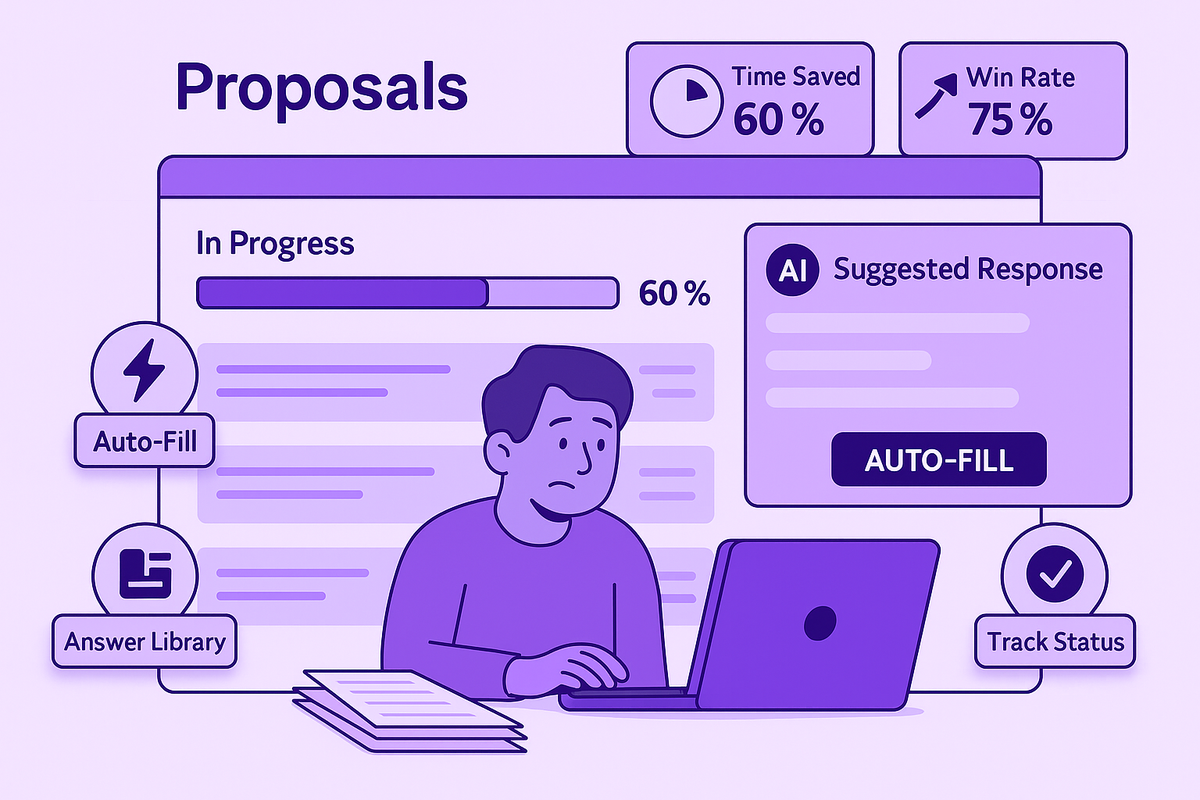
This data-driven approach also creates a powerful feedback loop. When procurement tracks supplier performance with precision, that information helps the sourcing team refine future strategies. On the flip side, when sales teams respond to RFPs, AI ensures they provide the most accurate information. For instance, a platform like HeyIris helps teams generate high-quality proposals by pulling from a library of approved content, ensuring the procurement team on the other end has what it needs to make a confident choice. This flow of accurate information helps everyone make better decisions, strengthening the entire supply chain.
Simplify Contracts and RFPs with the Right Solutions
Managing contracts and responding to proposals are critical but often time-consuming parts of both sourcing and procurement. Modern tools are designed to streamline these workflows entirely. Contract management software helps you track agreements and deadlines, while RFP response solutions tackle the challenge of creating compelling proposals. AI-powered platforms like Iris can generate first drafts of RFPs, RFIs, and SOWs in a fraction of the time it would take manually. This not only accelerates your sales cycle but also ensures every response is accurate and high-quality, helping you win more deals.
How to Improve Your Sourcing and Procurement Process
Making your sourcing and procurement functions run like a well-oiled machine is about more than just finding the cheapest price. It’s about building a strategic advantage for your business. By focusing on a few key areas, you can transform these processes from simple cost centers into powerful drivers of value and resilience for your entire organization. Here’s how you can get started.
Invest in Training and Clear Documentation
You can have the most brilliant strategy in the world, but it won’t go far if your team doesn’t know how to execute it. Investing in regular training ensures everyone understands their role and the company’s larger goals. This is where clear documentation becomes your best friend. Create detailed playbooks and standard operating procedures (SOPs) that outline every step, from identifying a need to selecting a supplier. This not only creates consistency but also makes it easier to onboard new team members. When everyone follows the same effective strategy, you reduce errors and make smarter, more informed decisions across the board.
Encourage Cross-Functional Teamwork
Sourcing and procurement shouldn’t happen in a vacuum. When teams operate in silos, you end up with limited visibility, misaligned priorities, and missed opportunities. The solution is to foster a culture of cross-functional collaboration. Bring people from different departments, like finance, legal, and the teams who will actually use the product or service, into the process early on. This ensures that all requirements are considered, from budget constraints to technical specifications. Using centralized platforms where everyone can access real-time information on supplier performance and spending helps break down these barriers, creating a more cohesive and effective workflow for the entire organization.
Set Clear Performance Metrics
If you can’t measure it, you can’t improve it. Moving beyond cost savings as the only metric is key to building a strategic procurement function. While saving money is always important, your key performance indicators (KPIs) should also reflect other priorities. Think about tracking metrics like supplier reliability, risk reduction, and progress on sustainability goals. For example, you could aim to reduce lead times by 10% or increase spend with diverse suppliers. Setting these clear, measurable goals gives your team a defined target to work toward and demonstrates the value procurement brings to the business. This is how you can tackle common challenges and drive real success.
Use Data for Continuous Improvement
Gut feelings have their place, but data provides the roadmap for improvement. By leveraging procurement technology and analytics, you can turn raw numbers into actionable insights. Data helps you spot spending trends, identify potential supply chain risks before they become problems, and find hidden opportunities for savings. Automating manual tasks, like data entry or initial proposal reviews, frees up your team to focus on more strategic work, such as negotiating better contracts and building strong supplier relationships. This data-driven approach allows you to continuously refine your processes, ensuring your procurement function becomes a powerful lever for profitability and resilience.
Sourcing and Procurement Best Practices You Can Use Today
Putting solid sourcing and procurement practices into place is about more than just saving money. It’s about building a strong, resilient foundation for your entire operation. When you get these processes right, you create a system that can adapt to market changes, reduce risk, and drive long-term value. It all comes down to being strategic and proactive rather than reactive.
Think of it as building a house. You wouldn't just grab the cheapest materials you can find and start nailing them together. You'd create a blueprint, vet your builders, and choose materials that will last. The same logic applies here. By focusing on a few key areas, you can transform your sourcing and procurement from a simple cost center into a strategic advantage. We'll walk through four essential practices: thoroughly evaluating suppliers, mastering contract management, creating strong risk frameworks, and building lasting supplier relationships. Each one plays a critical role in creating a streamlined and effective system.
Always Evaluate Suppliers and Research the Market
The first step to a great procurement strategy is knowing who you’re working with. Choosing the right suppliers goes far beyond picking the one with the lowest price tag. You need a clear, well-defined sourcing plan that outlines your goals and the criteria your partners must meet. This means doing your homework and evaluating potential suppliers on factors like financial stability, production capacity, quality control processes, and their track record in the industry. A thorough supplier evaluation helps you avoid future headaches like late deliveries or poor-quality goods, which can disrupt your entire supply chain.
Master Contract Negotiation and Management
Contracts are the backbone of any supplier relationship, but they can also be a major source of friction if not managed properly. Effective contract negotiation sets clear expectations for both sides, covering everything from pricing and delivery schedules to quality standards and payment terms. Once a contract is signed, the work isn't over. Contract management is an ongoing process that involves tracking key dates, ensuring compliance, and managing renewals. Using technology to automate reminders and centralize documents can prevent missed deadlines and ensure everyone is on the same page, turning complex agreements into successful partnerships.
Establish Clear Risk and Compliance Frameworks
Every business faces risks, and the supply chain is no exception. From market volatility and potential fraud to unexpected disruptions, plenty of things can go wrong. A proactive approach to risk management is essential. Start by identifying potential threats and assessing their likely impact on your business. From there, you can develop strategies to mitigate them. It’s also crucial to stay on top of evolving regulations. Regularly conducting risk assessments and using compliance-focused tools can help you monitor supplier practices and ensure you’re always operating within legal and ethical boundaries.
Build Strong Relationships and Monitor Performance
Your suppliers are more than just vendors; they are partners in your success. Building strong, transparent relationships based on mutual trust and open communication is key. When you treat your suppliers as collaborators, you open the door to better service, preferential treatment, and even joint innovation. At the same time, it’s important to monitor their performance objectively. Establish clear key performance indicators (KPIs) to track metrics like on-time delivery, quality, and responsiveness. This data-driven approach helps you make informed decisions and ensures your partners consistently meet your standards.
Prioritize Ethical and Sustainable Sourcing
How you get your products matters just as much as the products themselves. Prioritizing ethical and sustainable sourcing is no longer a niche concern—it's a core part of a smart business strategy. This means looking beyond the price tag to partner with suppliers who share your commitment to fair labor practices and environmental responsibility. Sourcing involves carefully vetting potential suppliers to ensure they are financially stable, compliant with regulations, and capable of meeting your quality standards. This due diligence not only protects your brand's reputation but also helps prevent disruptions caused by unreliable partners, making your supply chain more resilient in the long run.
Consider Outsourcing for Specialized Expertise
Not every company has the resources or in-house expertise to manage a complex procurement process, and that’s perfectly okay. If your team is stretched thin, outsourcing can be a game-changer. Businesses can outsource procurement services by hiring outside experts to handle the intricate buying process. This can save a significant amount of time and help you avoid common pitfalls, especially when dealing with large-scale or specialized purchases. Tapping into a third party’s knowledge and network gives you access to established supplier relationships and negotiation skills you might not have internally, allowing your team to focus on its core strengths while still getting the best value.
Implement Smart Inventory Control
Procurement doesn't end once an order is placed; it extends to managing what you’ve bought. This is where smart inventory control comes in. Procurement also covers ongoing tasks like managing inventory and maintaining good relationships with suppliers. This is the operational side of buying, ensuring the company gets what it needs to function smoothly and efficiently. Effective inventory management strikes a delicate balance—you need enough stock to meet demand without tying up too much cash in products that are just sitting on a shelf. Using technology to track stock levels and forecast needs helps prevent costly stockouts or overages, keeping your operations lean and your cash flow healthy.
How to Build a Winning Sourcing and Procurement Strategy
Creating a strong sourcing and procurement strategy is about more than just saving money. It’s about building a resilient, efficient, and forward-thinking operation that gives your company a real edge. When sourcing and procurement work in harmony, they stop being simple cost centers and become powerful drivers of value, innovation, and growth. A well-defined strategy ensures everyone is moving in the same direction, using the best tools for the job, and constantly looking for ways to improve. It’s the blueprint that helps you build stronger supplier relationships, mitigate risks, and make smarter decisions that benefit the entire organization. By focusing on a few key areas, you can transform these functions from separate processes into a unified, strategic force.
Align Your Organization and Clarify Roles
The first step is getting everyone on the same page. A successful strategy depends on clear roles and responsibilities. Your sourcing team might be focused on finding and vetting new suppliers, while the procurement team handles the day-to-day purchasing and contract management. Define who does what to avoid overlap and confusion. It’s also crucial to get buy-in from leadership and other departments, like finance and legal. When everyone understands the goals and their part in achieving them, you can develop a strategic sourcing process that anticipates challenges and keeps things running smoothly. Regular communication and clear guidelines ensure the entire organization works together effectively.
Secure an Executive Sponsor and Create a Communication Plan
For any new strategy to stick, you need a champion in a leadership role. An executive sponsor does more than just approve the budget; they advocate for the changes, help break down departmental silos, and ensure the initiative stays aligned with broader company goals. Once you have that high-level support, create a communication plan to keep everyone in the loop. This plan should outline how sourcing and procurement teams will share information, provide feedback, and report on performance metrics. Regular updates and clear channels for communication prevent misunderstandings and ensure that the strategic groundwork laid by sourcing is effectively carried out by procurement, creating a seamless and collaborative workflow.
Integrate Technology and Standardize Processes
Manual processes are slow and prone to error. Integrating technology is essential for creating a modern, efficient procurement operation. Digital procurement software and automation tools can handle repetitive tasks, freeing up your team to focus on more strategic work like supplier negotiation and relationship building. Standardizing your workflows is just as important. Create consistent, documented processes for everything from supplier onboarding to invoice approval. This not only improves efficiency but also ensures compliance and makes it easier to track performance. When your processes are clear and your technology is integrated, you reduce risk and create a more transparent and effective system for everyone involved.
Focus on Strategic Planning and Improvement
A great strategy is never static; it evolves. Your work doesn't end once you’ve set up your processes. The final piece of the puzzle is a commitment to continuous improvement and strategic planning. Set clear key performance indicators (KPIs) to measure success, whether it’s cost savings, supplier performance, or cycle times. Regularly review this data to identify what’s working and where you can make adjustments. By proactively managing risks, controlling costs, and adopting new technologies, you can turn procurement into a competitive advantage. This forward-looking approach ensures your sourcing and procurement functions are always aligned with your company’s broader business goals.
Related Articles
- What Is a Procurement Manager? A Complete Guide | Iris AI
- The Procurement Occupation: A Guide for Sales Teams | Iris AI
- Sourcing Strategy: Your Step-by-Step Guide | Iris AI
Frequently Asked Questions
Is sourcing or procurement more important for a business? That’s like asking if the architect or the builder is more important for a house. You absolutely need both to succeed. Sourcing is the strategic architect that lays the foundation by finding the best long-term partners. Procurement is the skilled builder that executes the plan, handling the day-to-day purchasing and management. One can't function effectively without the other, so it's better to see them as essential partners rather than competing priorities.
How does this apply to a small business that doesn't have separate teams? Even if you're a team of one handling everything, the distinction still matters. The key is to separate the mindsets. You need to dedicate time to wearing your "sourcing hat," where you strategically research new suppliers and build relationships for the future. Then, you can switch to your "procurement hat" for the tactical work of placing orders and managing payments. The principles of separating strategy from execution are just as valuable, regardless of your company's size.
Where does the RFP (Request for Proposal) process fit into all of this? The RFP is a classic tool of the sourcing process. When your sourcing team is evaluating potential suppliers for a significant purchase or project, they issue an RFP to gather detailed proposals. It’s a formal way to compare what different vendors can offer. Once a winner is selected based on their RFP response, the process moves into procurement, which handles the contract finalization, purchasing, and ongoing relationship management.
Why do so many people seem to use these terms interchangeably? The confusion is understandable because the two functions are so closely linked; sourcing is technically one of the first stages within the larger procurement lifecycle. In many companies, especially smaller ones, the same person or team handles both strategic and transactional tasks, which naturally blurs the lines. The main thing to remember is that sourcing is the proactive, upfront strategy, while procurement is the entire end-to-end process of buying.
What’s the first step I can take to improve my company's processes? Start with clarity. The single most effective first step is to simply document your current process and define who is responsible for what. Get the key stakeholders together and map out the steps, from identifying a need to paying an invoice. Assigning clear ownership for sourcing activities versus procurement tasks eliminates confusion and prevents important work from falling through the cracks. This simple act of creating a clear playbook is the foundation for any future improvements.
Share this post
Link copied!







_EasiestToDoBusinessWith_EaseOfDoingBusinessWith.svg)
_HighPerformer_HighPerformer.svg)




_BestSupport_QualityOfSupport.svg)


